

Call us: 717-283-9728
Anyone who has renovated a room and cleaned it themselves has had the same experience: the room looks finished at nine in the evening and hazy again by morning. It is not that the clean was careless.
Construction dust behaves differently from household dust, and removing it needs a different sequence and different filtration. Here is what that actually involves.
Construction dust is not household dust
Drywall dust is fine enough to pass straight through a standard vacuum filter and out of the exhaust back into the room. That is the whole problem in one sentence. Cleaning a renovated room with ordinary equipment stirs the dust up, filters some of it, and blows the rest back into the air to settle again overnight.
Which is why the room is hazy the next morning
It is not that the clean was careless. It is that the dust was redistributed rather than removed. Anyone who has renovated a room and cleaned it themselves has seen this, usually two or three times before giving up.
Top down, always, and floors last
Ceilings, light fittings, fans, vents and returns, then wall surfaces and ledges, then fittings, then floors. Every one of those steps drops dust downward, so cleaning the floor early means cleaning it again. Fine filtration on the vacuum throughout, and wiping rather than dry-dusting so the dust is captured instead of launched.
Residue is a separate job from dust
Paint specks, adhesive, caulk smears, plaster splashes and manufacturer labels on glass and appliances are not dust and do not come off with dust methods. They need solvent or a blade at the right angle on the right surface. This is often the majority of the time on a small remodel, and it is what makes a room look finished rather than merely clean.
Budget for a second pass
On a whole-house renovation, expect a follow-up. Dust continues to settle for days, especially once heating or air conditioning circulates and pushes what is sitting in the ductwork back into the rooms. A shorter second visit a week later is normally worth more than extending the first one.
Rough and final
On larger projects the work splits: a rough clean once the trades are out to clear bulk debris and the heaviest dust so finishing work can proceed, then a final clean to bring the property to move-in condition. A single-room remodel normally needs only the final clean. Details on our post-construction cleaning page.
Frequently asked questions
How soon after the work should you clean?
After the last trade has left and any touch-ups are done. Cleaning before that means paying to clean twice, though a rough clean mid-project is often worth it on longer jobs.
Will one visit be enough?
For a single room, usually. For a whole-house renovation, fine dust keeps settling for days once heating or air conditioning circulates, and a shorter follow-up a week later is normally worth more than extending the first visit.
Do you remove construction debris?
Residual debris, packaging and protective materials, yes. Bulk waste like torn-out cabinetry or flooring needs a contractor haul-away, which we do not provide.
Can you get paint off windows and floors?
Usually. Paint on glass and sealed hard floors comes off cleanly. Paint soaked into unsealed grout or natural stone may not, and we will say so before starting.
More of our work
Photographs from real jobs across Lancaster County, with what the work actually involved. See all of our work.
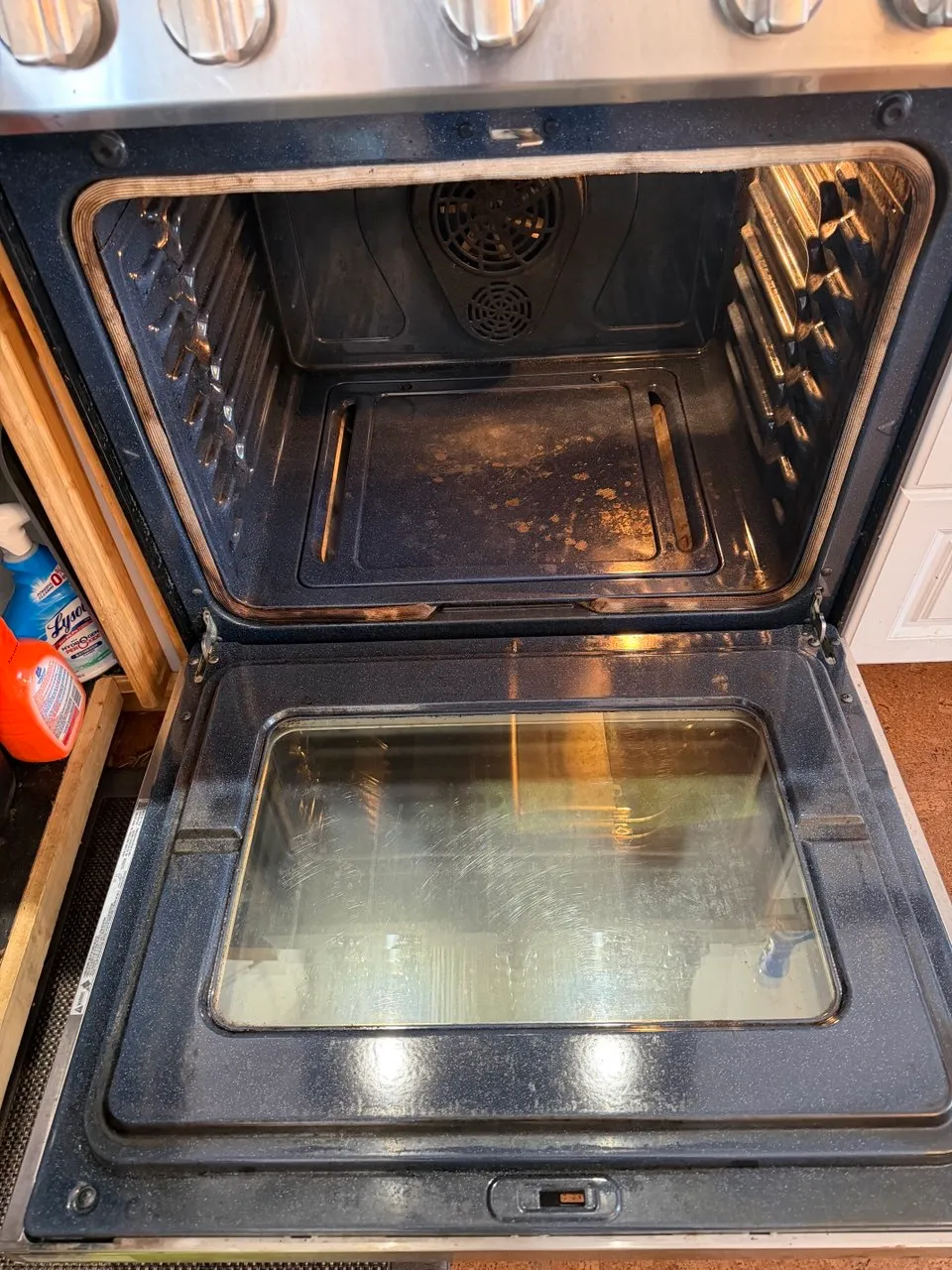 Oven deep cleaningCarbonised spillage and a brown film on the door glass — and what a proper job removes.Read the walkthrough →
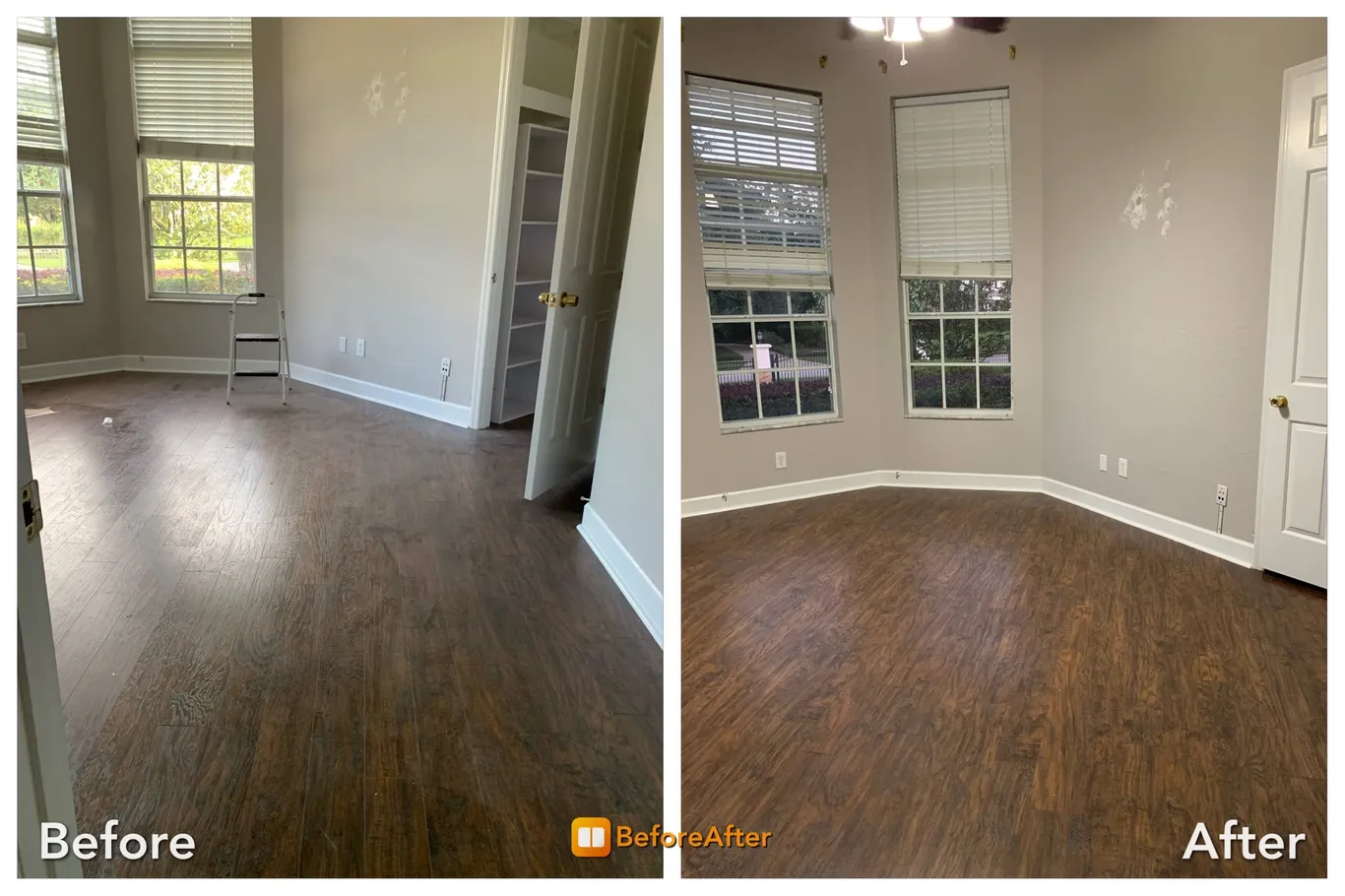 Move-out clean, empty houseWith the furniture gone nothing hides. The five items landlords actually inspect.Read the walkthrough →
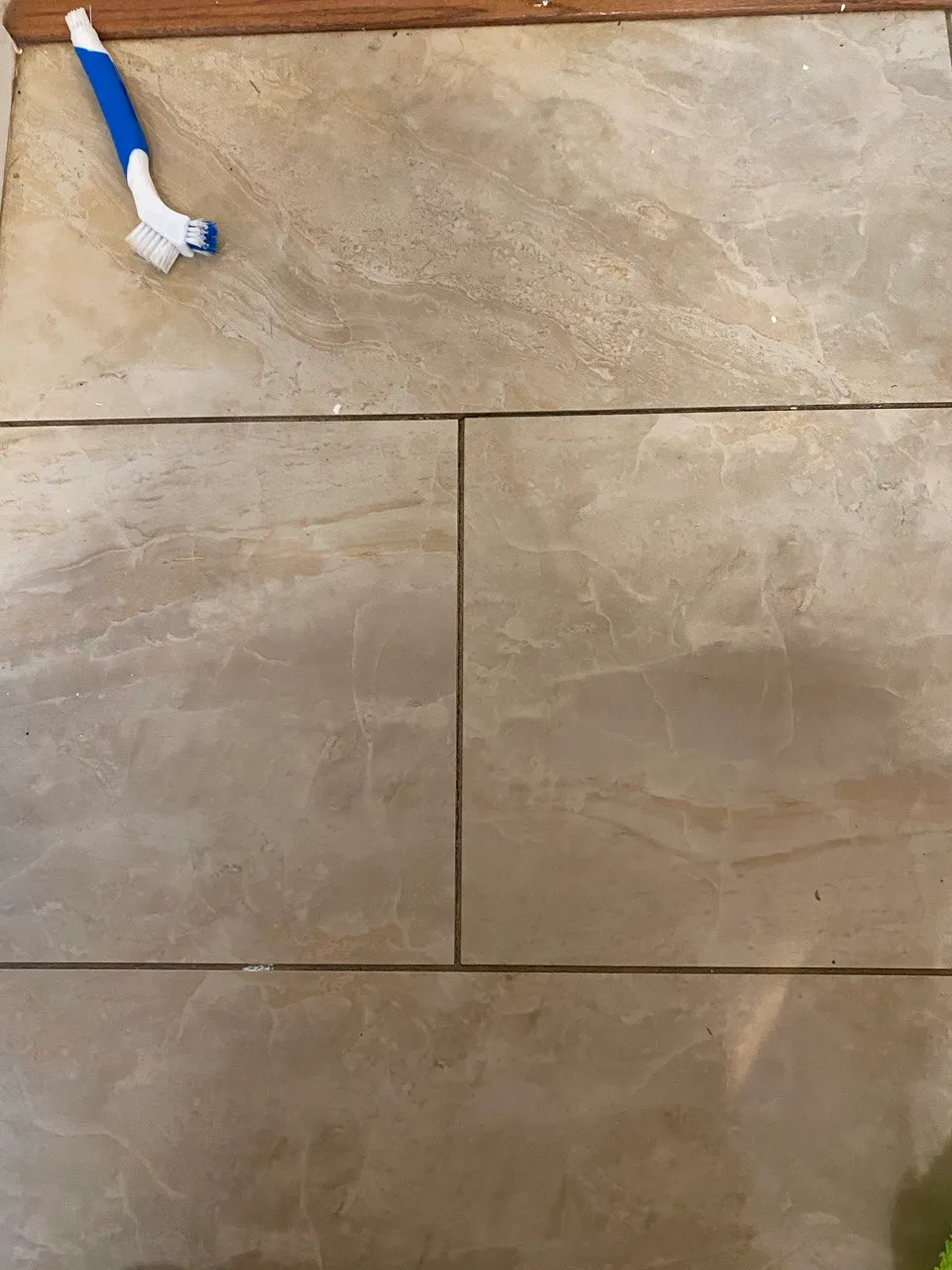 Tile and grout floorsWhy a tile floor looks grubby when the tiles are clean, and why mopping makes it worse.Read the walkthrough →
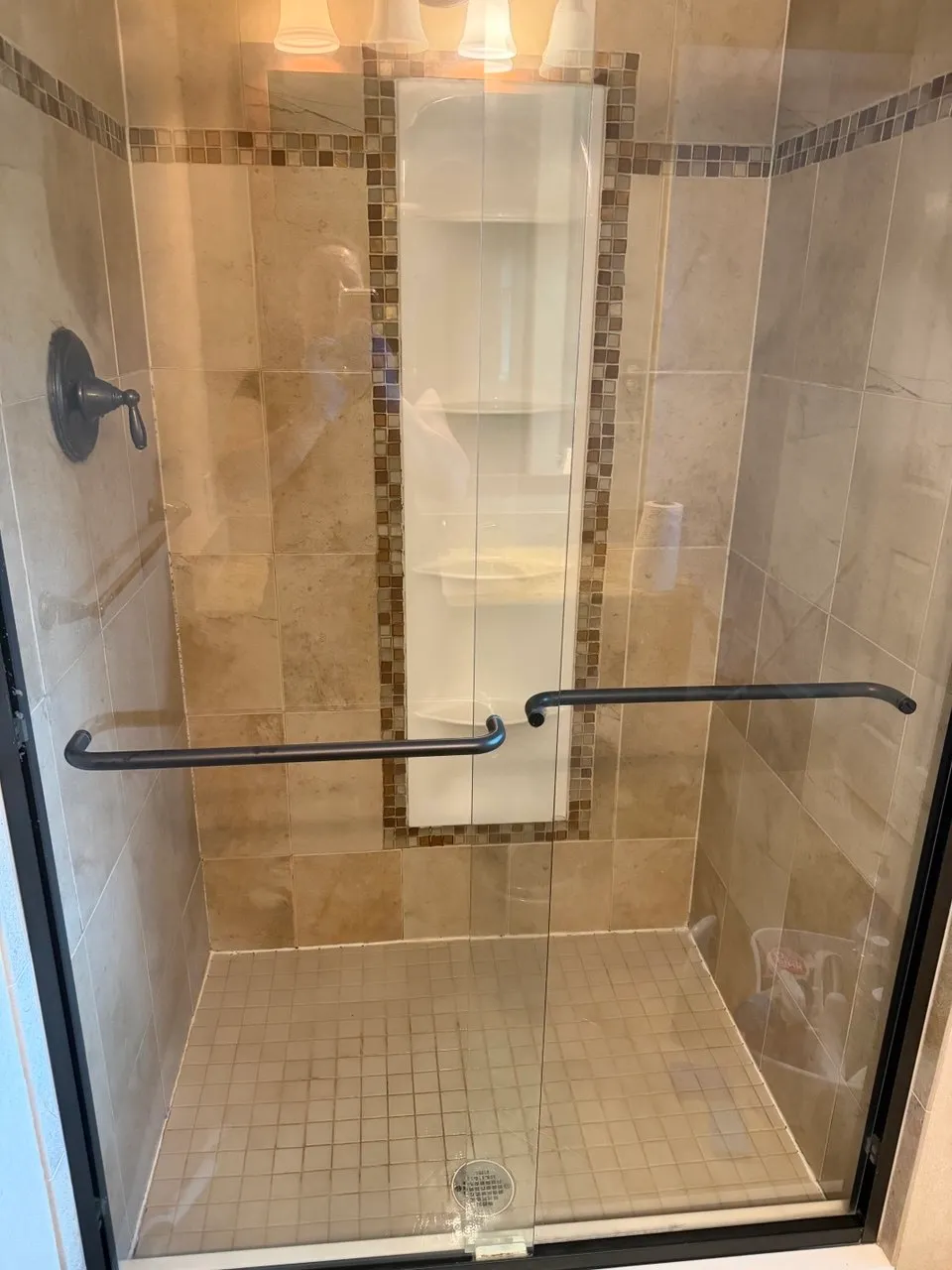 Tiled shower deep cleanSoap scum, grout and hard water on glass — three problems, three methods.Read the walkthrough →
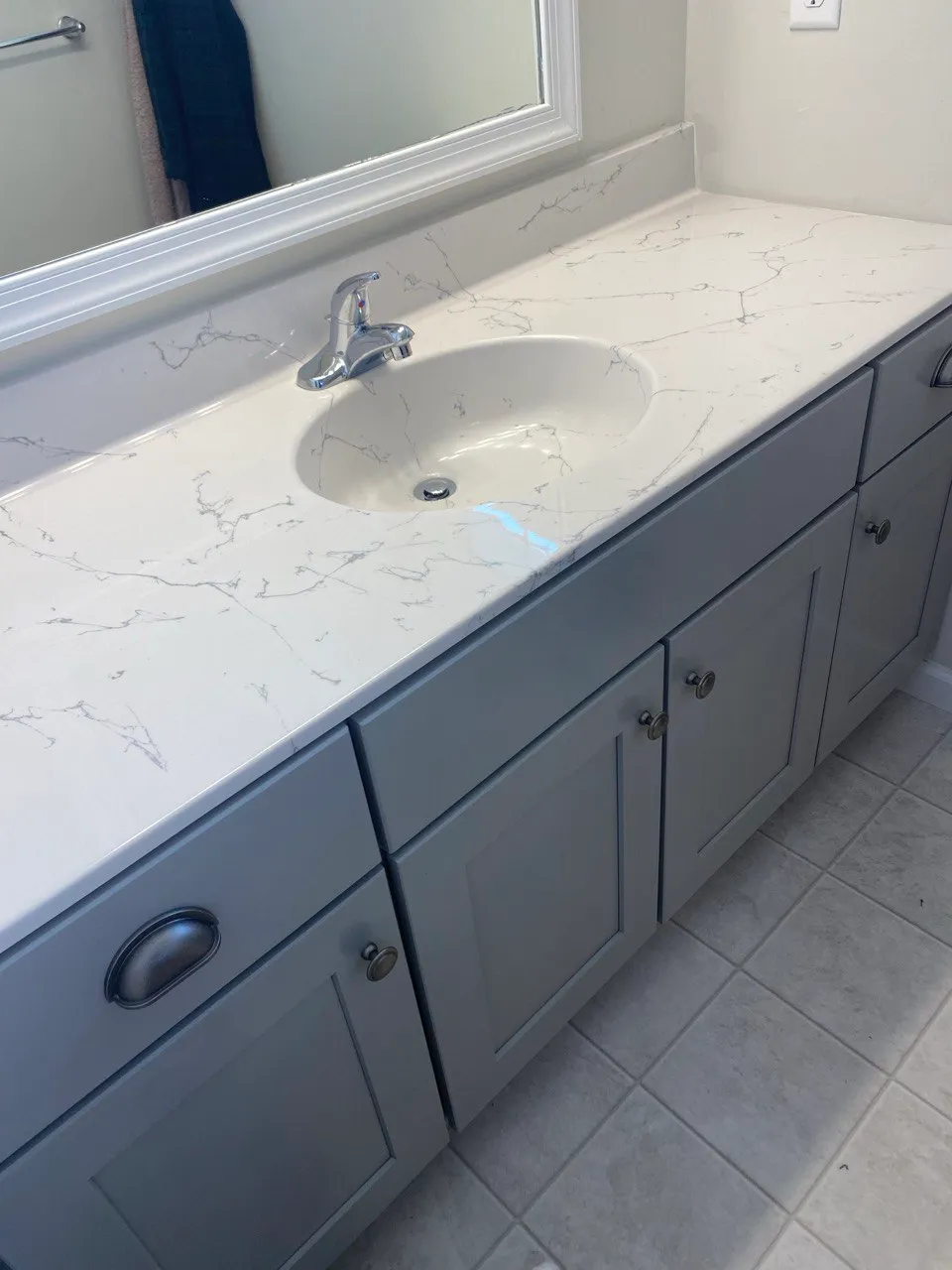 Bathroom vanity detailThe four places residue hides on a vanity, and the product that etches stone.Read the walkthrough →
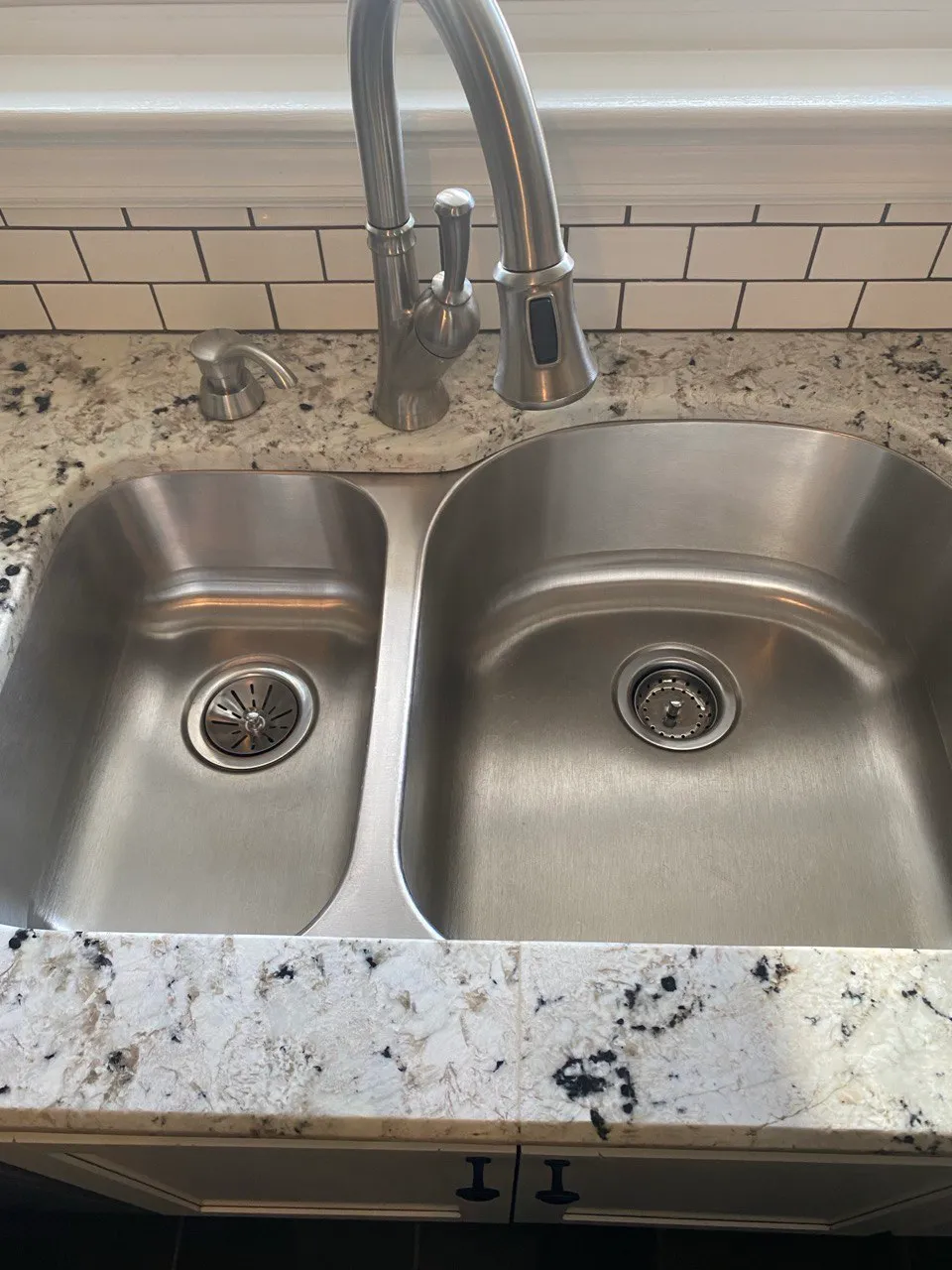 Kitchen sink and tapsStainless has a grain. Work across it once and the scratches never come out.Read the walkthrough →
Related
Want this job done at your place?
Tanya answers every enquiry personally, usually the same day. Fixed quotes, agreed before any work starts.