

Call us: 717-283-9728
Clients form their opinion of a business in its restroom, because it is the one room they are alone in with time to look around. Any commercial cleaning that treats it as one stop among many has its priorities wrong.
This is what a commercial visit should cover, the order that prevents cross-contamination, and three specific places to check if you want to know whether yours is being done properly.
Clients judge you by the restroom
Not the reception desk, not the meeting room. The restroom is the room a visitor is alone in, with time to look around, and it is the one that forms their opinion of how the business is run. Any commercial clean that treats it as one stop among many has its priorities wrong.
The order that matters
Restrooms are done last, or with completely separate equipment, and never with cloths or a mop that then go anywhere else in the building. This is basic cross-contamination control. If you have ever watched a cleaner take the same mop from a restroom into a kitchen, you have watched something worse than not cleaning at all.
What a visit should include
- Restrooms — cleaned and sanitised, consumables restocked, floors washed
- Breakroom — counters, sink, appliance exteriors, microwave interior, tables, bins
- Workspaces — desks wiped around equipment, surfaces dusted, chairs and edges detailed
- Common areas — reception, meeting rooms, corridors and stairs
- Floors — vacuumed throughout, hard floors mopped
- Glass — entrance doors, partitions and interior glazing
High-touch points are the whole point
Door handles, push plates, light switches, handrails, shared keyboards, the microwave handle, the refrigerator handle, the coffee machine. In an office these carry more transmission risk than any floor, and they take a couple of minutes. A clean that does the floors beautifully and skips the door handles has it backwards.
How to tell if yours is being done properly
Check three things a week after a visit: the underside of the toilet seat hinges, the inside of the microwave, and the skirting behind the door in the meeting room. Those three are invisible from standing height and are the first things dropped when someone is rushing. If they are consistently clean, the rest almost certainly is too.
Frequency, honestly
Client-facing premises with daily footfall generally need daily or three-times-weekly service concentrated on restrooms, reception and floors. A small professional office is usually well served twice weekly. A studio used by a handful of people can run on weekly with a quarterly deep clean. We would rather set a frequency that holds than sell more visits than you need — see office and commercial cleaning.
Frequently asked questions
Can you clean outside business hours?
Yes. Evenings, early mornings and weekends are all normal for our commercial work, and we can hold keys and alarm codes securely.
Will the same person come every time?
Yes wherever possible. Someone who knows your building does a better job and notices when something is wrong.
Do you require a long contract?
No. The arrangement continues because it works. In practice that keeps us more accountable than a twelve-month agreement would.
Do you clean medical or treatment rooms?
We clean small practices and treatment rooms to a general standard including high-touch sanitising. We are not a clinical decontamination service and will say so where a room needs one.
More of our work
Photographs from real jobs across Lancaster County, with what the work actually involved. See all of our work.
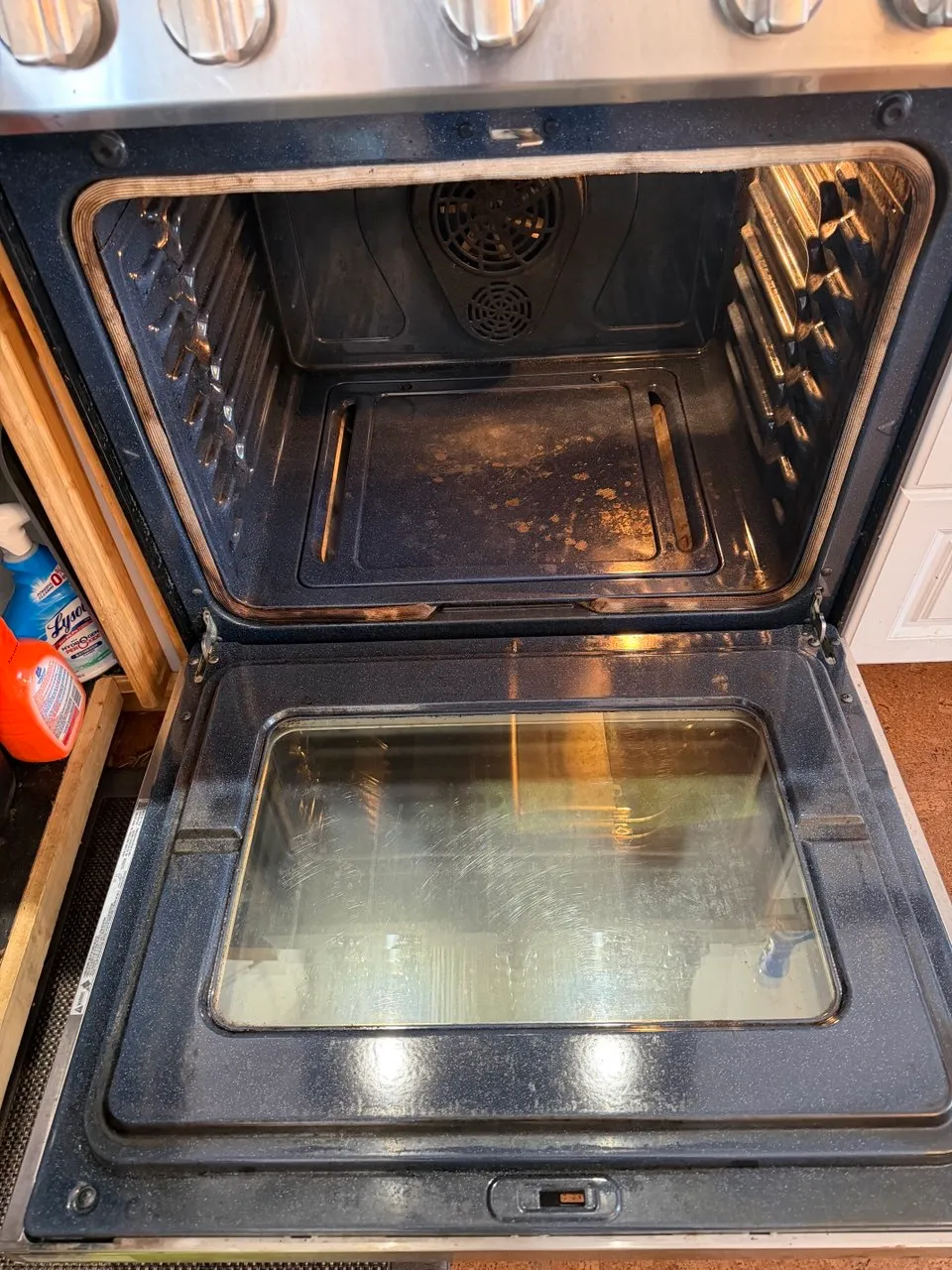 Oven deep cleaningCarbonised spillage and a brown film on the door glass — and what a proper job removes.Read the walkthrough →
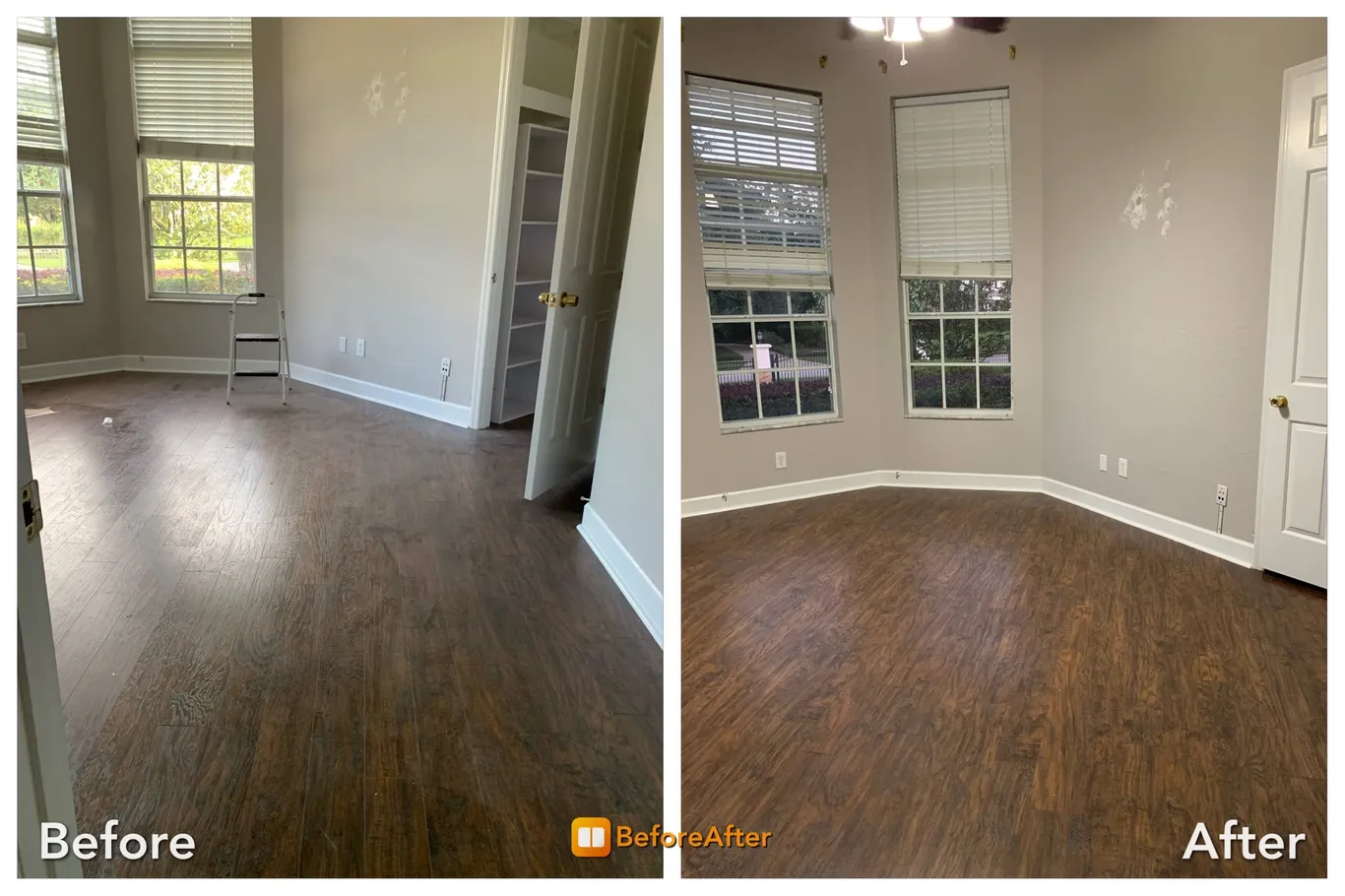 Move-out clean, empty houseWith the furniture gone nothing hides. The five items landlords actually inspect.Read the walkthrough →
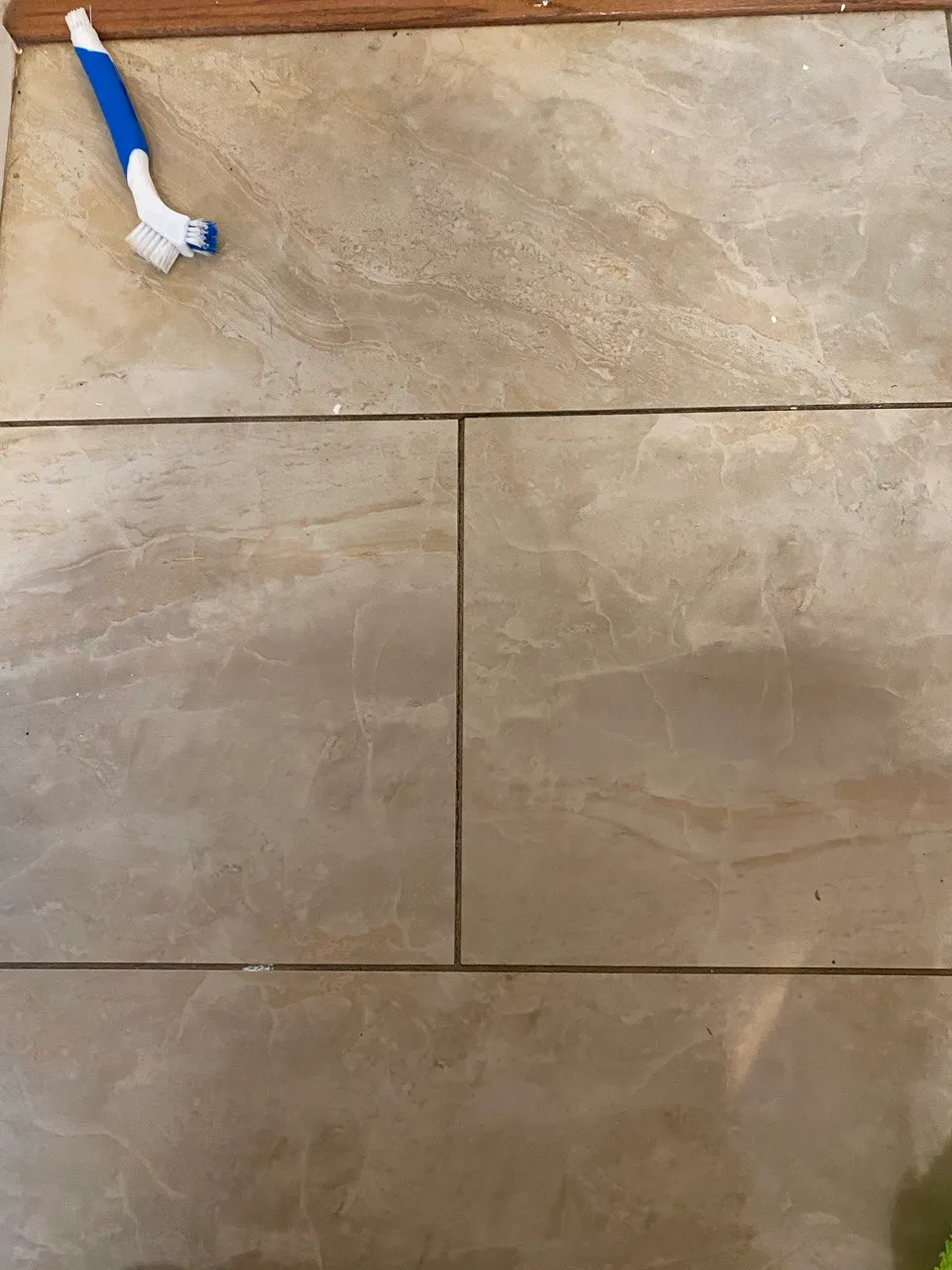 Tile and grout floorsWhy a tile floor looks grubby when the tiles are clean, and why mopping makes it worse.Read the walkthrough →
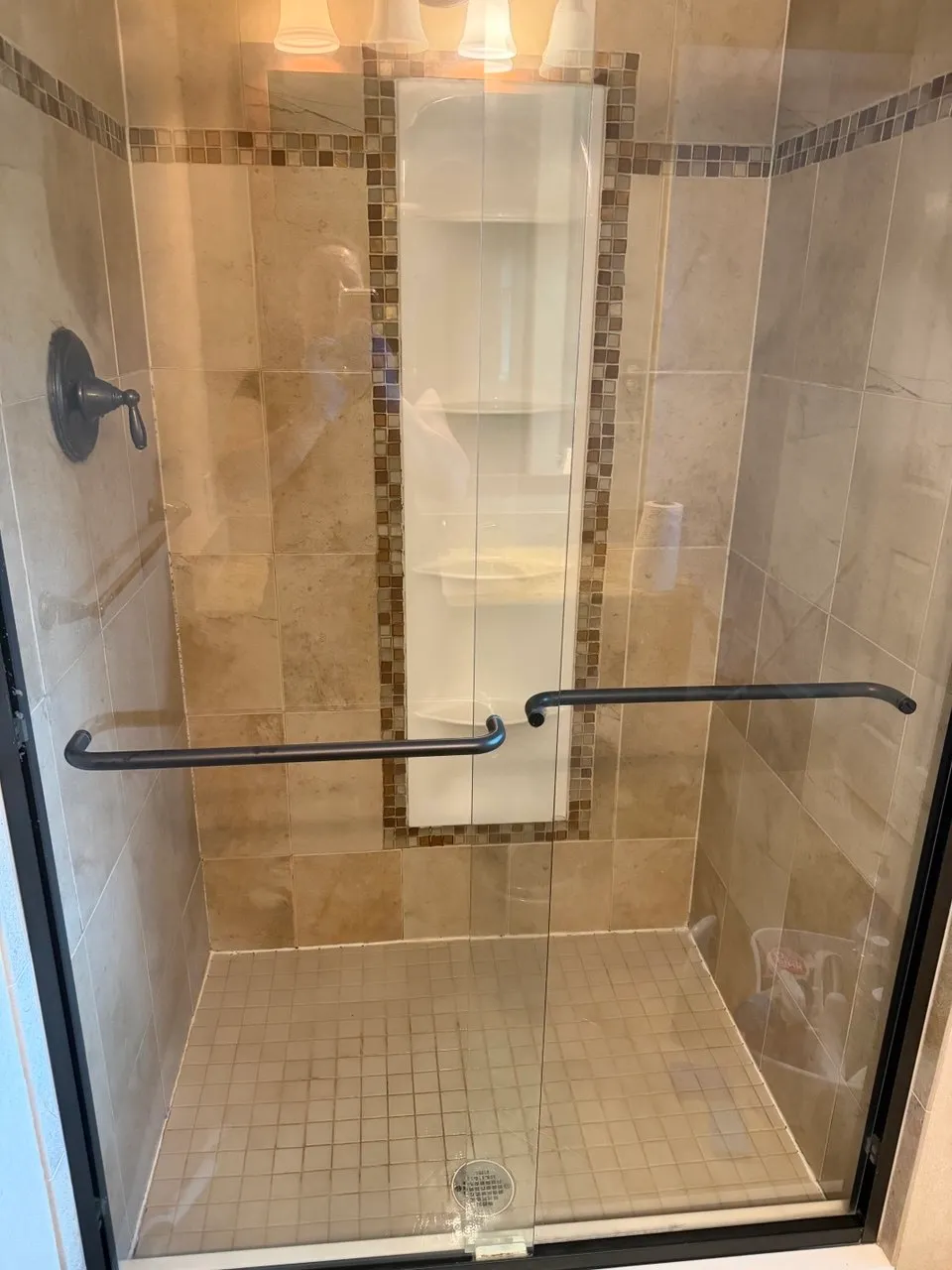 Tiled shower deep cleanSoap scum, grout and hard water on glass — three problems, three methods.Read the walkthrough →
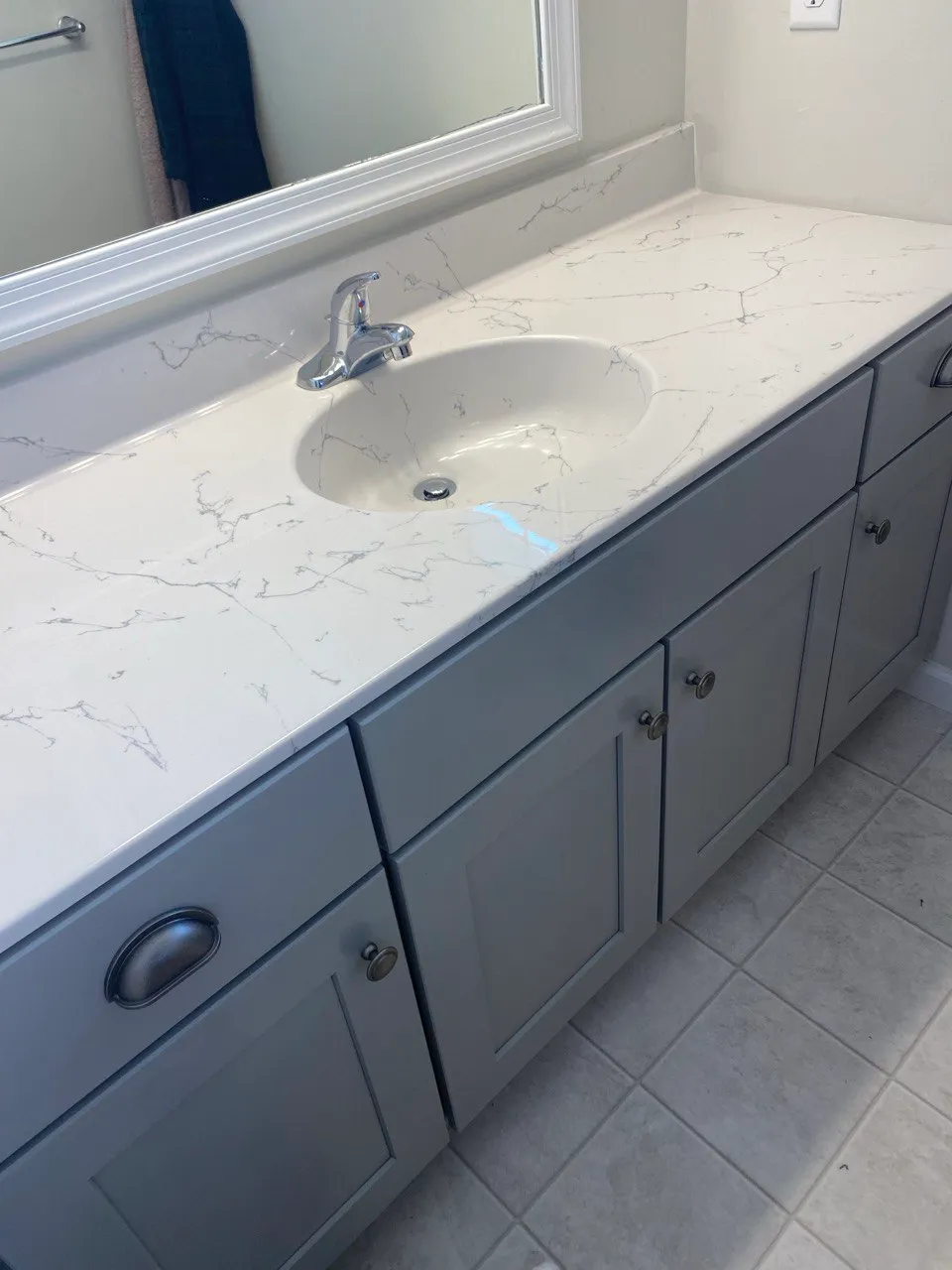 Bathroom vanity detailThe four places residue hides on a vanity, and the product that etches stone.Read the walkthrough →
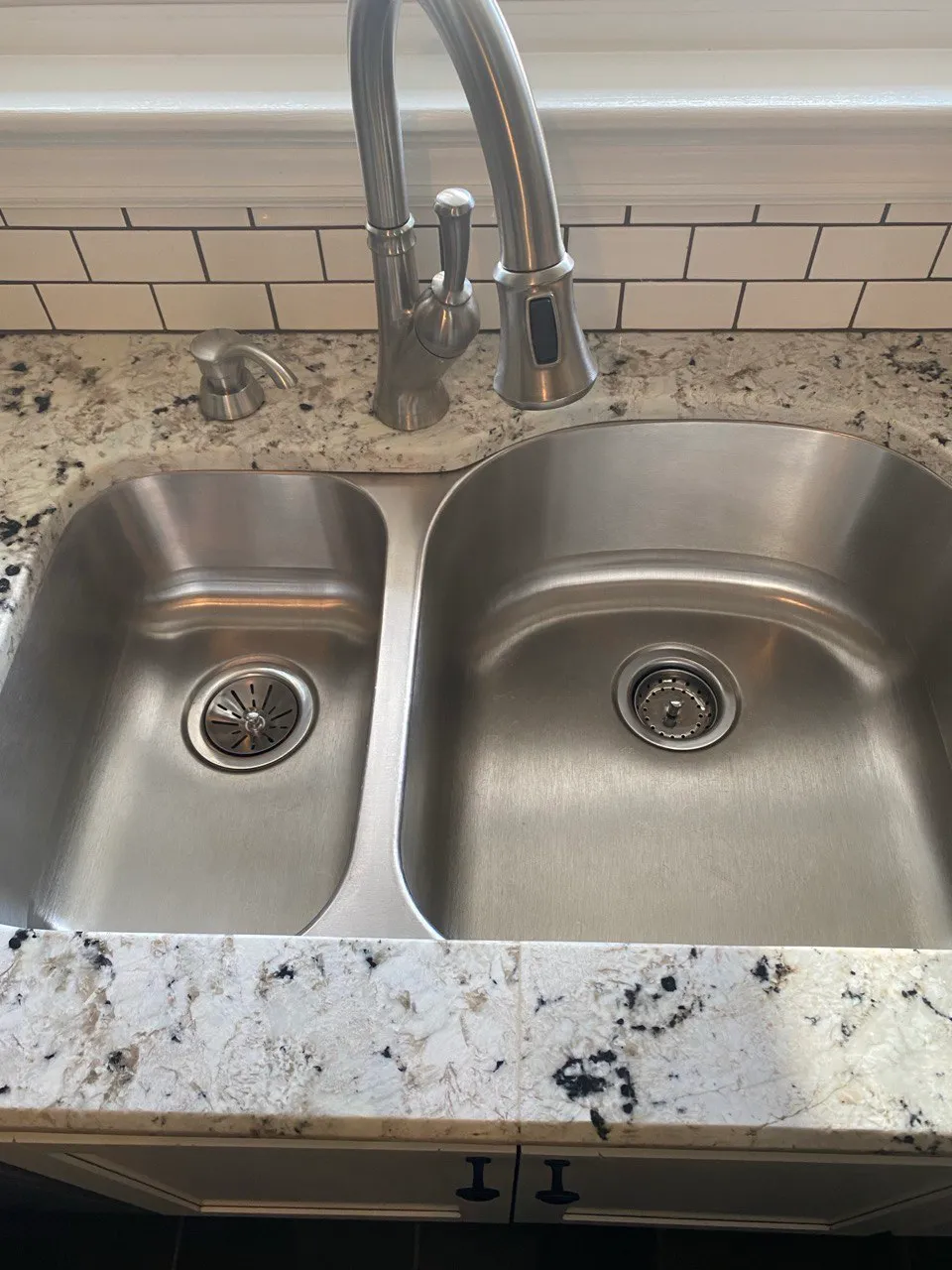 Kitchen sink and tapsStainless has a grain. Work across it once and the scratches never come out.Read the walkthrough →
Related
Want this job done at your place?
Tanya answers every enquiry personally, usually the same day. Fixed quotes, agreed before any work starts.