

Call us: 717-283-9728
A sofa can look perfectly acceptable and still be the reason a room does not smell fresh. That is why cleaning the room around it never quite works, and why surface cleaning the sofa only helps for a few days.
Here is what is actually happening in the padding, what an enzyme treatment does that an air freshener does not, and how to know when the honest answer is replacing the foam.
Why the smell comes back
Because the source is not on the surface. Liquid passes through the fabric into the foam, and the foam holds it. Surface cleaning removes what is on top, the room smells better for a few days, and then the residue in the padding re-humidifies and the smell returns. People often conclude the cleaning failed; in fact it only ever treated the visible part.
What an enzyme treatment actually does
Enzymes break down the organic compounds causing the smell rather than covering them. This is the entire difference from an air freshener or a perfumed cleaner, both of which add a second smell on top of the first. It also means the treatment needs contact with the residue — applied into the padding, not misted over the fabric — and it needs time to work.
Check the code before anything
Every upholstered piece has a manufacturer cleaning code, usually on a tag under a cushion. W means water-based cleaning is safe. S means solvent only, and water will leave permanent rings. X means vacuum only. Using the wrong method on an S-coded fabric causes damage that cannot be undone. Where a piece is unlabelled we test in a concealed area first.
Drying is part of the treatment
Four to eight hours before normal use, longer for dense cushions or in humid weather. This matters more than people think: a piece that stays damp too long can develop its own smell, which is a worse outcome than the one you started with. Air movement through the room makes a real difference and we will tell you what to leave open.
When the honest answer is replacement
If a cushion has been saturated repeatedly over a long period, the residue is throughout the foam and no surface-applied treatment reaches all of it. Significant improvement is realistic; complete elimination often is not. In that situation replacing the foam insert costs less than repeated cleaning and actually solves it. We would rather tell you that than take your money three times.
One thing to avoid
Supermarket spot cleaners. Many set a stain permanently and leave a residue that attracts dirt, so the treated patch becomes darker than the fabric around it. If something has been spot-treated already, tell us — it changes what is achievable. See upholstery, furniture and rug cleaning.
Frequently asked questions
How long until I can use the furniture again?
Typically four to eight hours, longer for dense cushions or in humid weather. We will give you a realistic figure for your specific pieces.
Will the smell definitely go?
Significant improvement is realistic. On a cushion saturated repeatedly over years, complete elimination often is not, because the residue is throughout the foam. We will tell you that before taking the job.
What is the cleaning code on my sofa?
A tag under a cushion: W means water-based is safe, S means solvent only and water will leave permanent rings, X means vacuum only. Using the wrong method causes damage that cannot be undone.
I already used a spot cleaner — does that matter?
Yes, tell us. Many supermarket spot cleaners set a stain permanently and leave residue that attracts dirt, so the patch goes darker than the fabric around it.
More of our work
Photographs from real jobs across Lancaster County, with what the work actually involved. See all of our work.
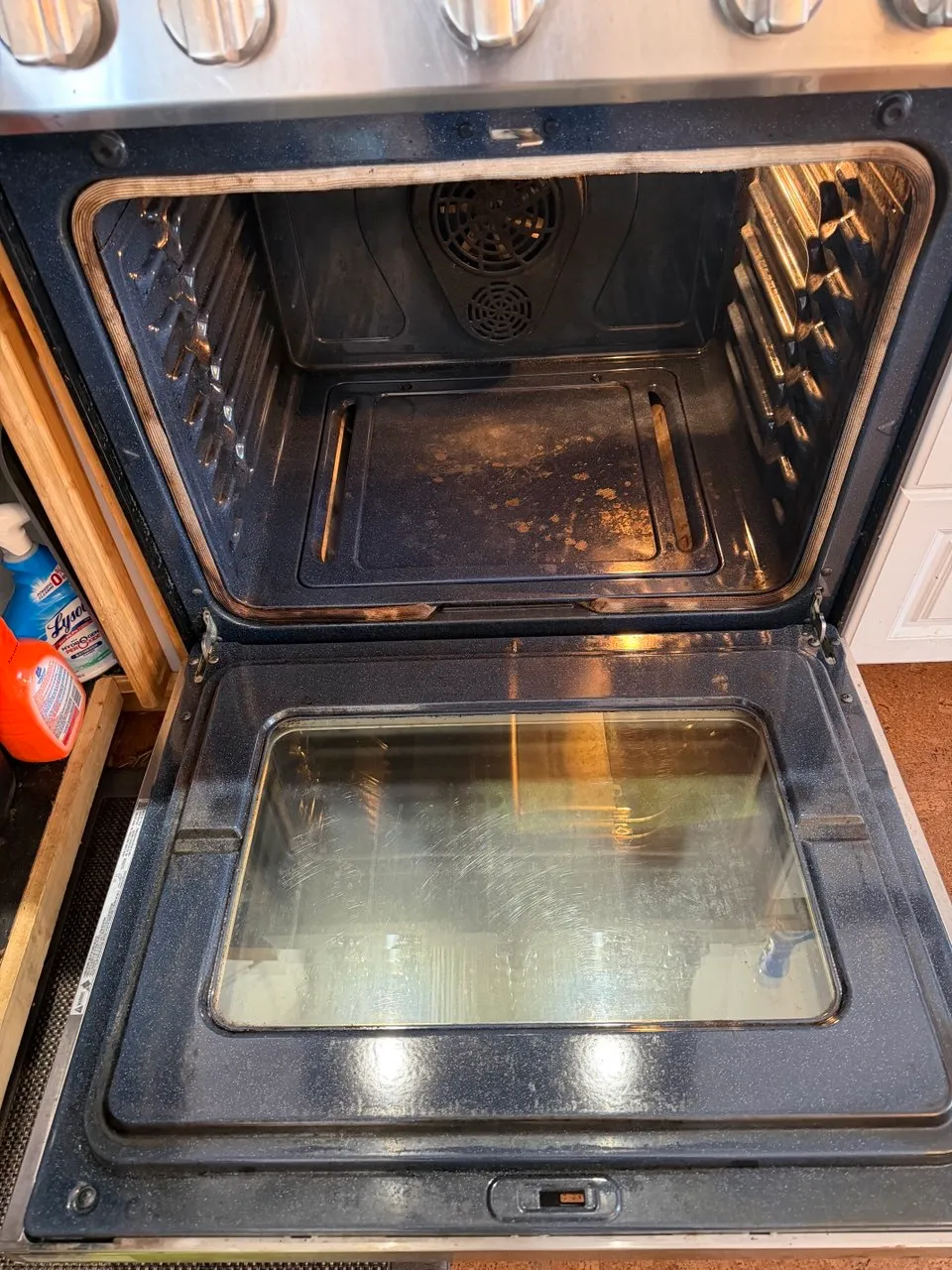 Oven deep cleaningCarbonised spillage and a brown film on the door glass — and what a proper job removes.Read the walkthrough →
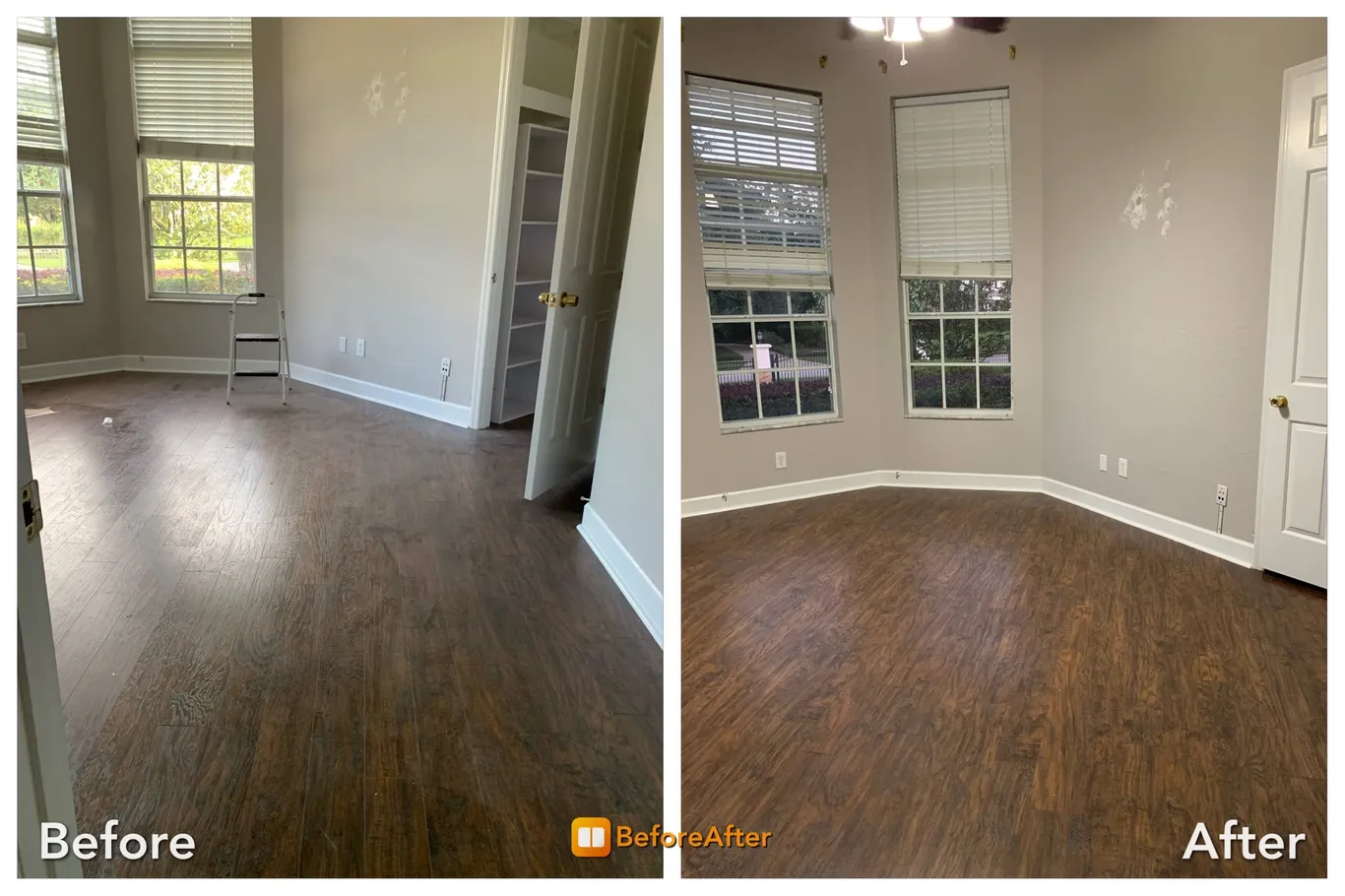 Move-out clean, empty houseWith the furniture gone nothing hides. The five items landlords actually inspect.Read the walkthrough →
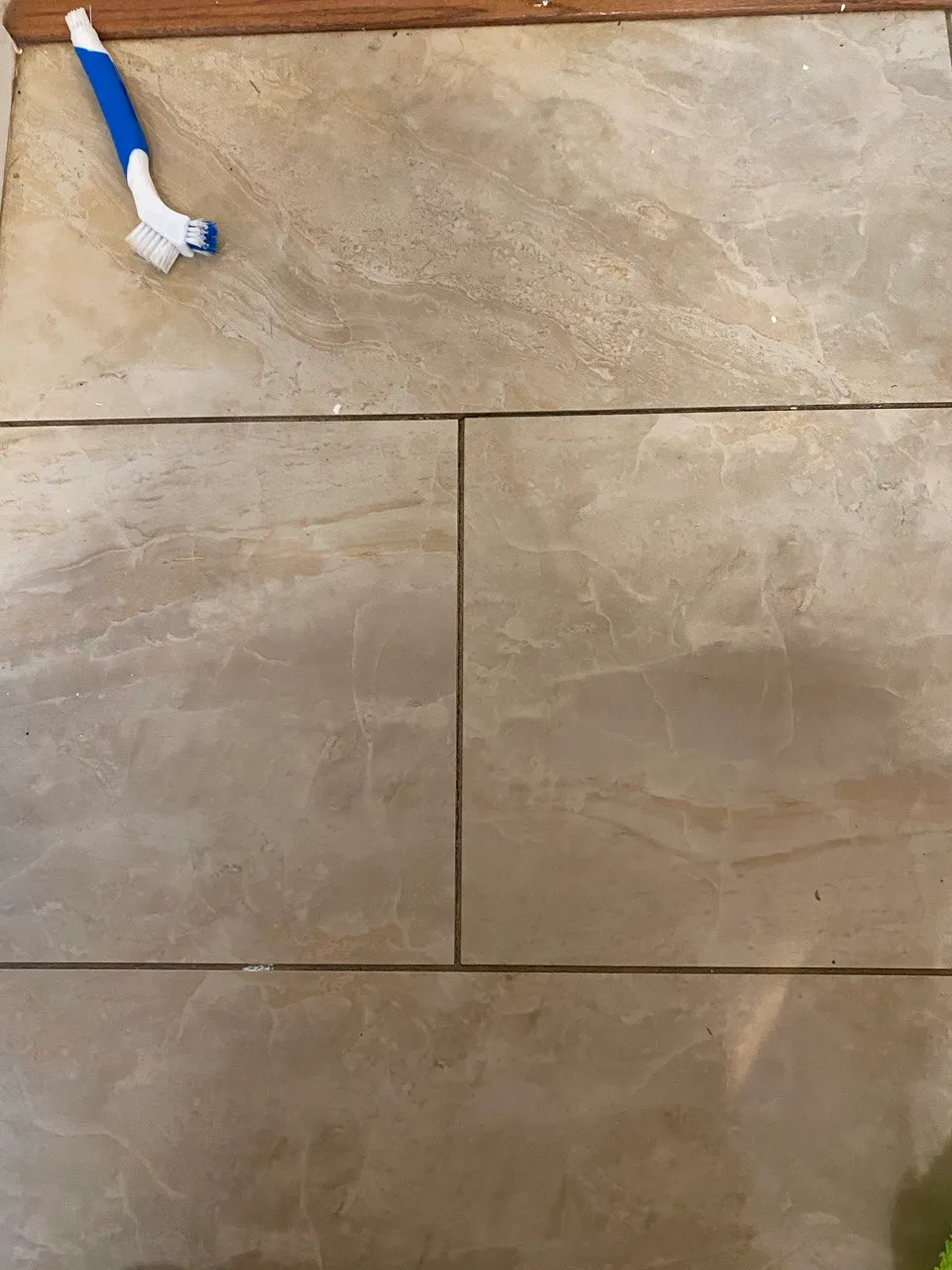 Tile and grout floorsWhy a tile floor looks grubby when the tiles are clean, and why mopping makes it worse.Read the walkthrough →
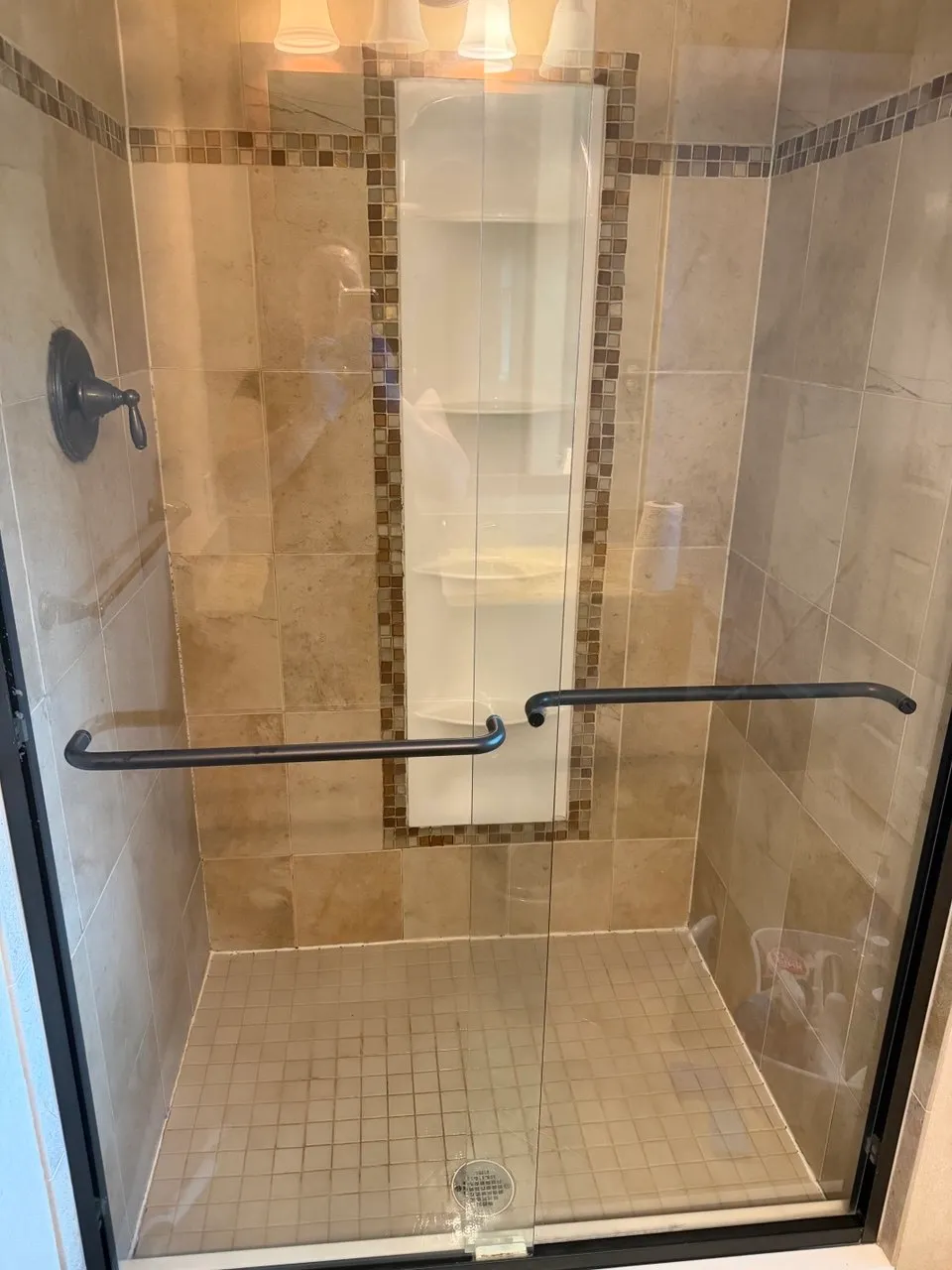 Tiled shower deep cleanSoap scum, grout and hard water on glass — three problems, three methods.Read the walkthrough →
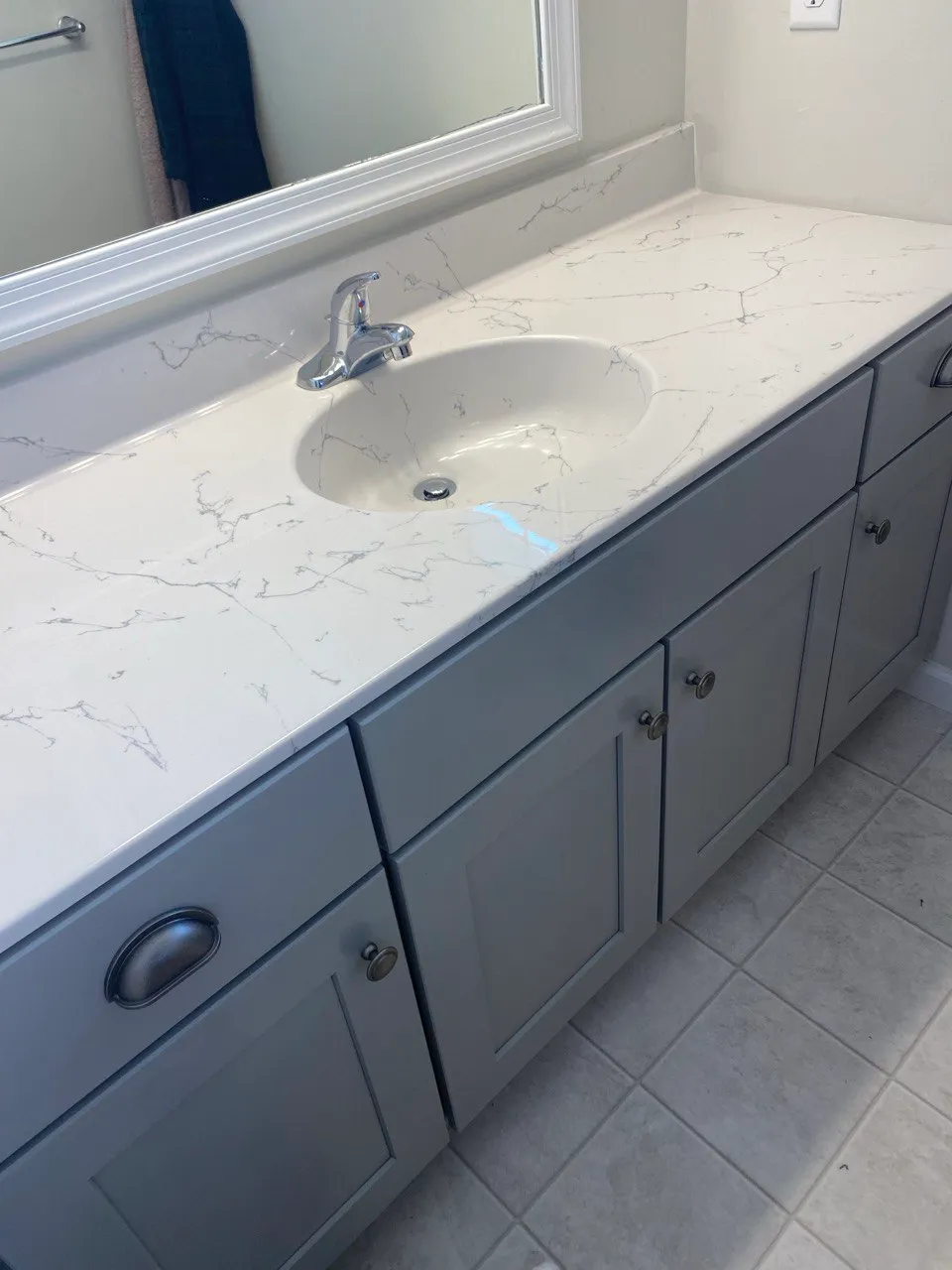 Bathroom vanity detailThe four places residue hides on a vanity, and the product that etches stone.Read the walkthrough →
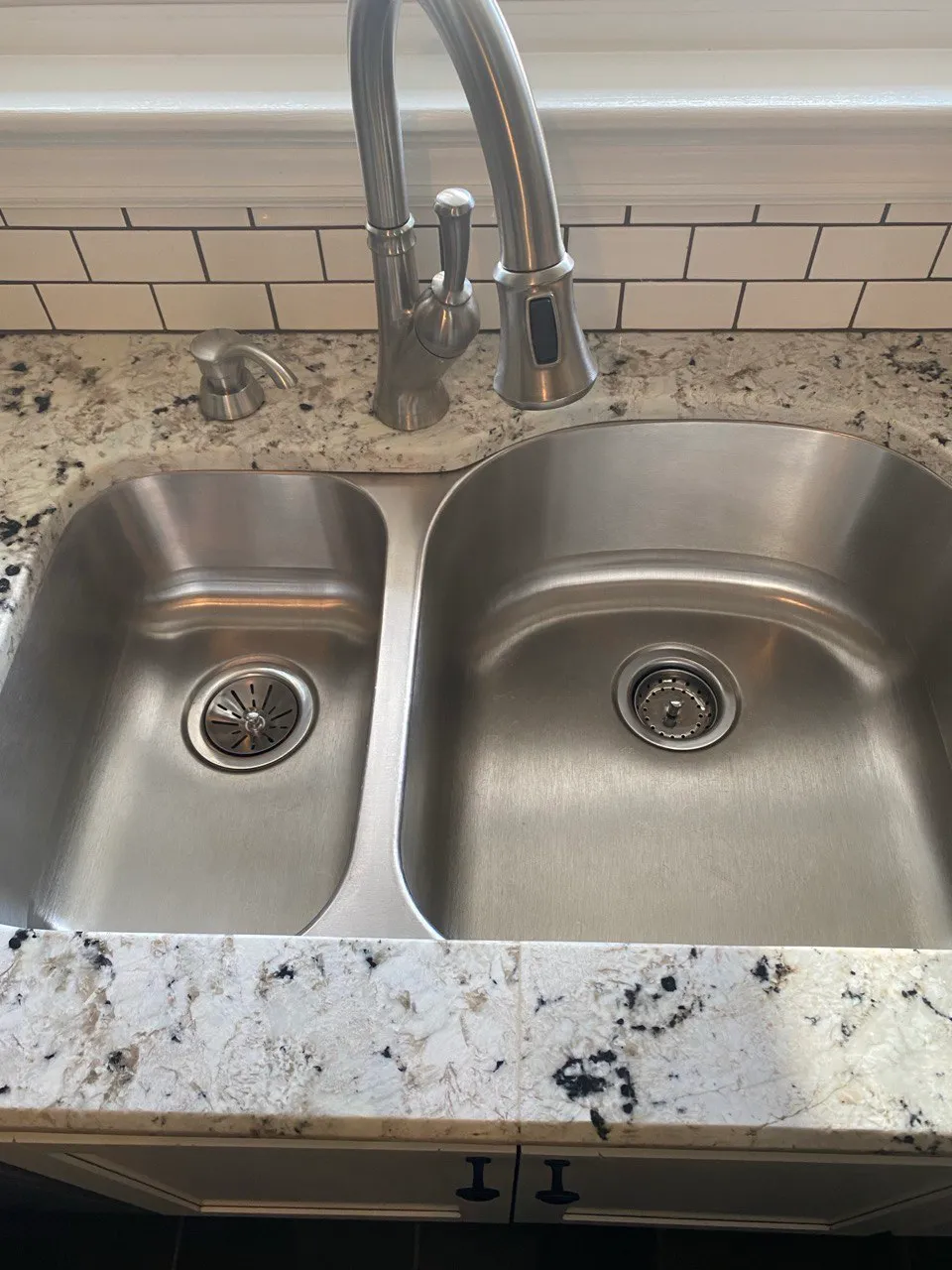 Kitchen sink and tapsStainless has a grain. Work across it once and the scratches never come out.Read the walkthrough →
Related
Want this job done at your place?
Tanya answers every enquiry personally, usually the same day. Fixed quotes, agreed before any work starts.