

Call us: 717-283-9728
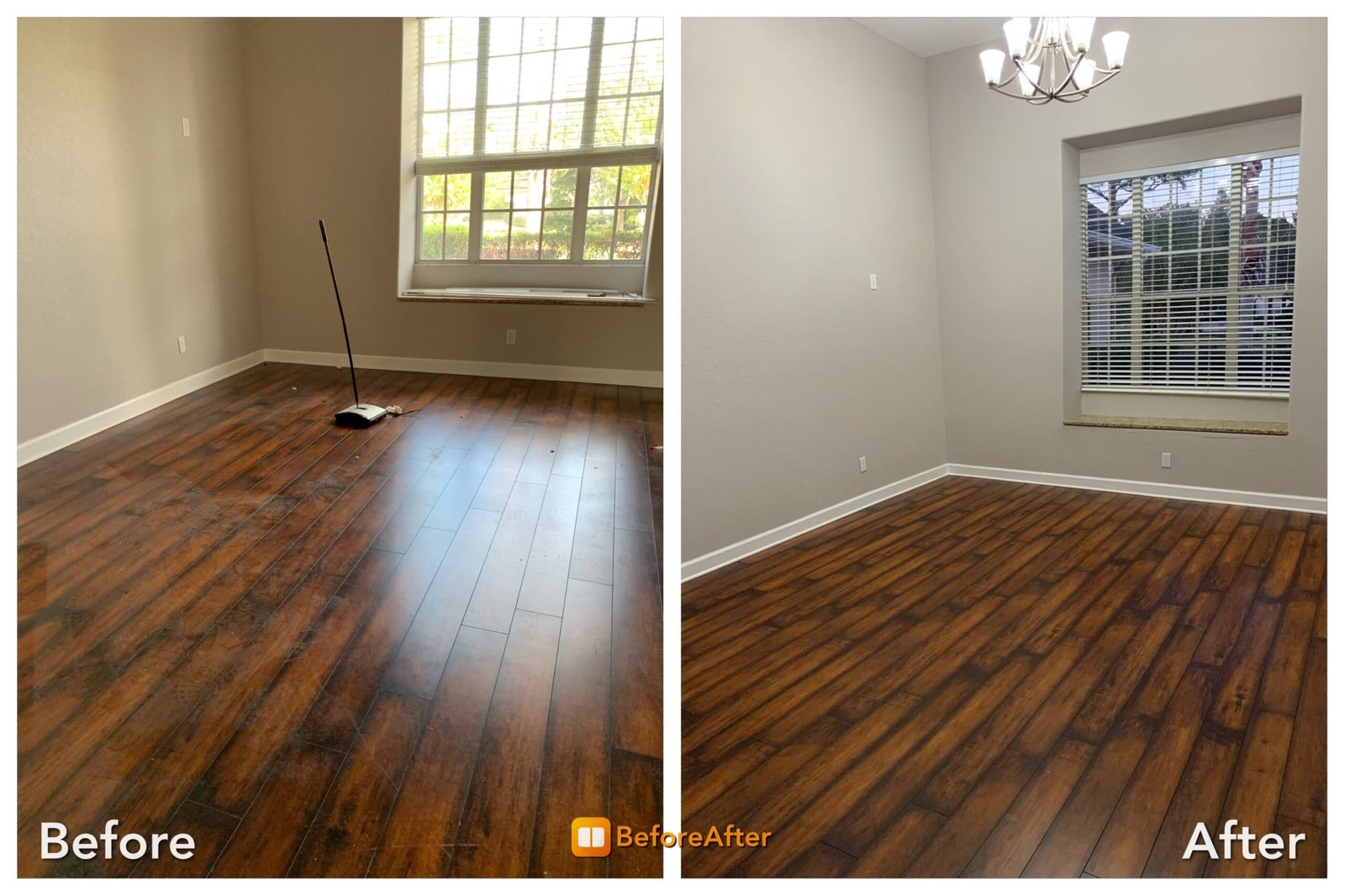
Almost all the damage done to wood floors in homes is done while cleaning them. Cupped board edges, cloudy patches and lifting seams are nearly always a water problem rather than a wear problem.
Here is how to tell what finish your floor has, how damp a mop should actually be, and why we will not put a steam mop anywhere near wood.
Water is the enemy, not dirt
Almost all damage to wood floors in homes is done by cleaning them. Water sitting on a seam swells the board edges, and once they have cupped they do not go back. A mop that leaves a floor visibly wet is applying far more water than any wood floor should ever see. The correct condition is damp — wrung out until it feels almost dry.
Find out what the finish is first
A modern polyurethane-sealed floor has a plastic film over the wood and tolerates a damp mop and a neutral cleaner. An oiled or waxed floor has no such film, and a standard cleaner strips the finish and leaves dull patches. Test in a corner: a drop of water that beads is sealed; one that darkens the wood within a minute means the finish is worn or the floor is oiled, and it needs a different product entirely.
Vacuum properly before any liquid
Grit is abrasive. Dragging it around with a mop is what puts fine scratching into a finish over the years. Vacuum first, with the beater bar off or on hard-floor mode, and get the edges and the gaps where grit collects.
Why floors streak
Two reasons: too much product, and dirty water. Wood floor cleaner needs far less than the bottle implies, and a bucket that has gone grey is redepositing what you just removed. Change the water more often than feels necessary and use less cleaner than you think.
What we will not do
We do not use steam mops on wood. Steam forces moisture through the finish into the board, and the damage shows up months later as cloudiness or lifting seams. If a floor is beyond what cleaning can achieve, it needs refinishing by a floor specialist, and we will say so rather than take money to keep mopping it.
On a schedule
Hard floors are vacuumed and damp-mopped on every recurring visit, with the edges, corners and under-furniture areas covered in a deep clean.
Frequently asked questions
Is a steam mop safe on hardwood?
No, and we do not use one. Steam forces moisture through the finish into the board. The damage appears months later as cloudiness or lifting seams.
How do I know if my floor is sealed?
Put a drop of water in an inconspicuous spot. If it beads, the floor is sealed. If it darkens the wood within a minute, the finish is worn or the floor is oiled and needs different products.
Why do my floors streak after mopping?
Too much product and water that has gone grey. Wood floor cleaner needs far less than the bottle suggests, and dirty water redeposits what you just removed.
Can you fix a floor that is already damaged?
No — cupping and finish damage need refinishing by a floor specialist. We will tell you that rather than take money to keep mopping it.
More of our work
Photographs from real jobs across Lancaster County, with what the work actually involved. See all of our work.
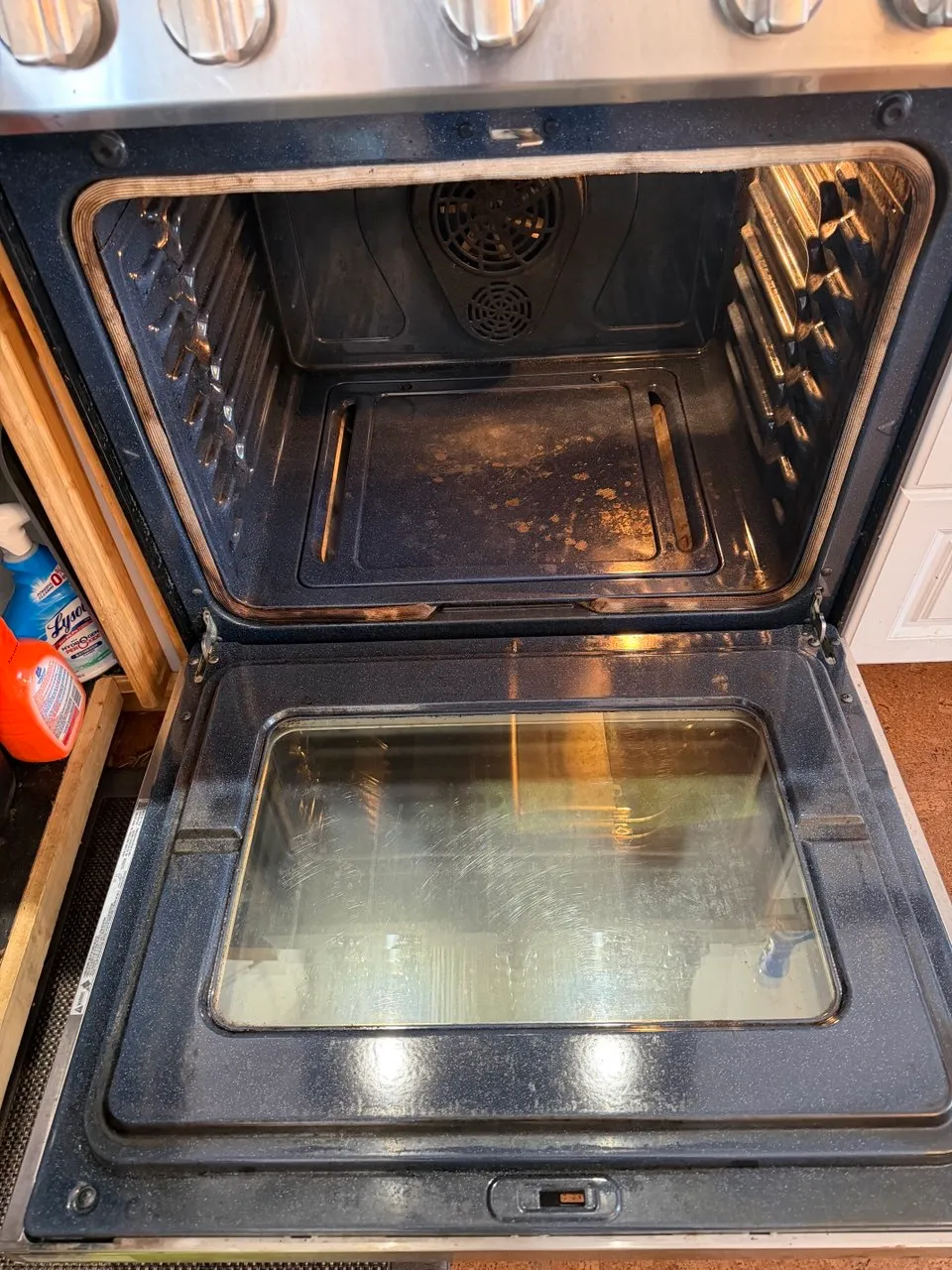 Oven deep cleaningCarbonised spillage and a brown film on the door glass — and what a proper job removes.Read the walkthrough →
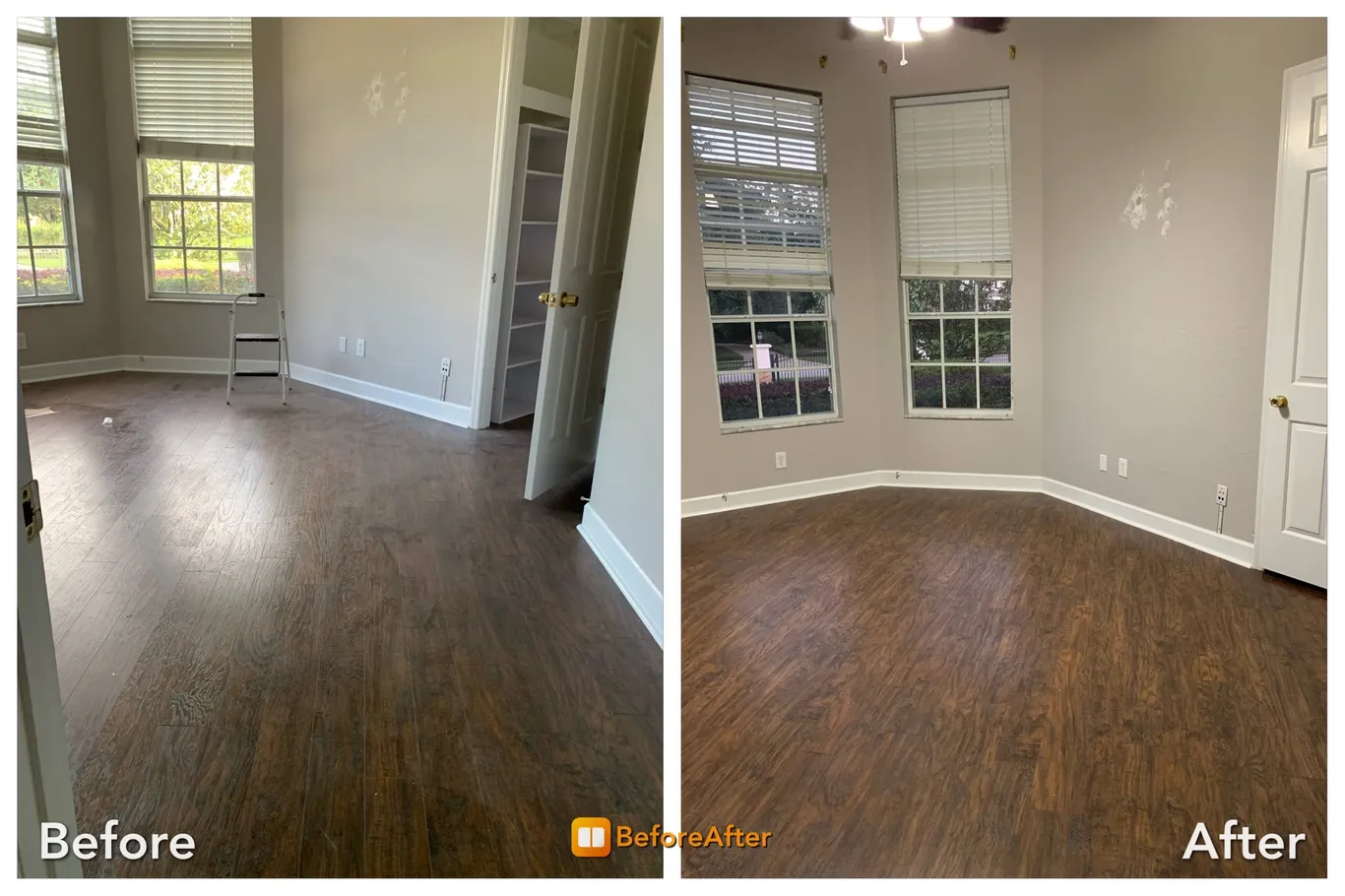 Move-out clean, empty houseWith the furniture gone nothing hides. The five items landlords actually inspect.Read the walkthrough →
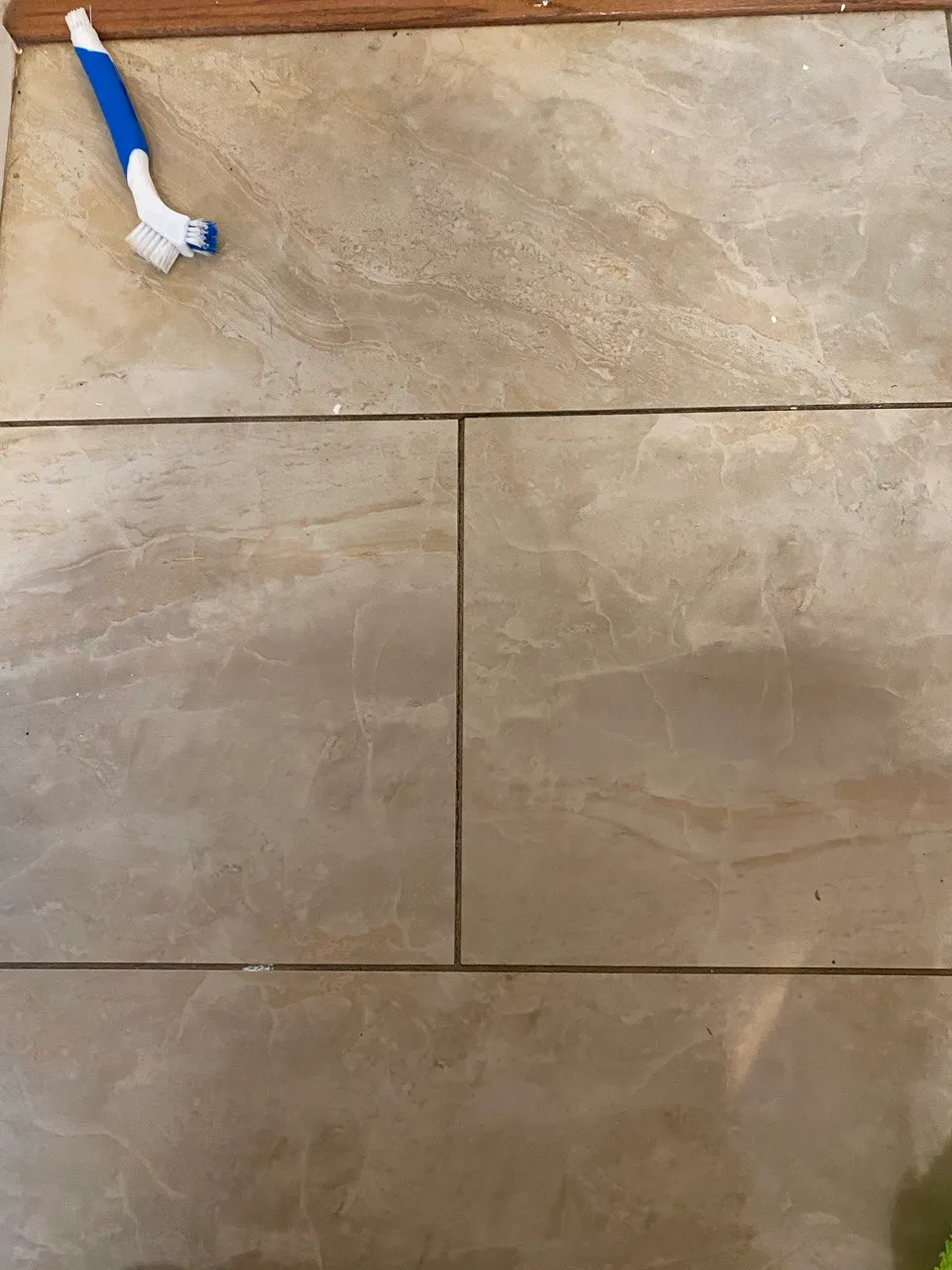 Tile and grout floorsWhy a tile floor looks grubby when the tiles are clean, and why mopping makes it worse.Read the walkthrough →
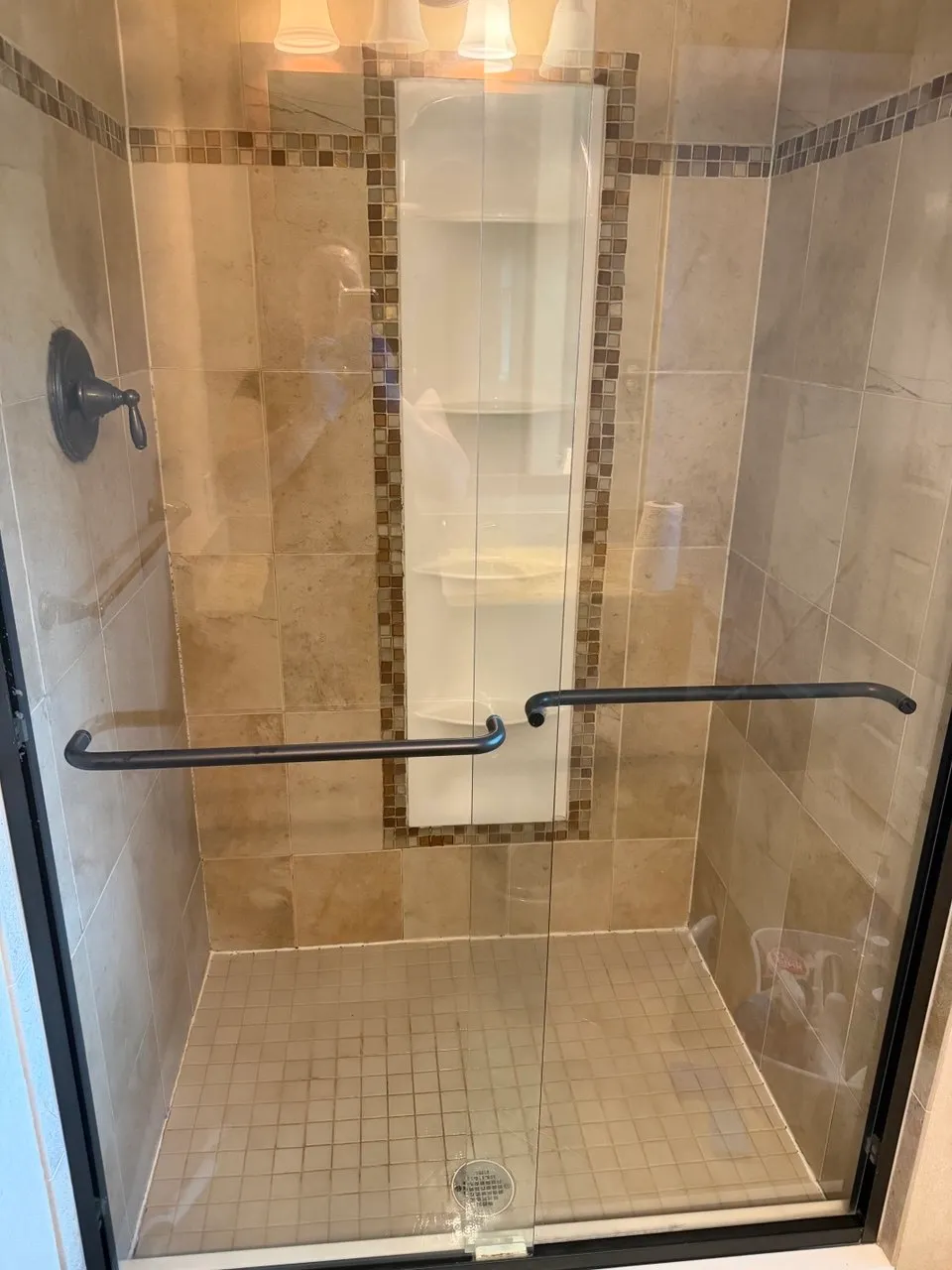 Tiled shower deep cleanSoap scum, grout and hard water on glass — three problems, three methods.Read the walkthrough →
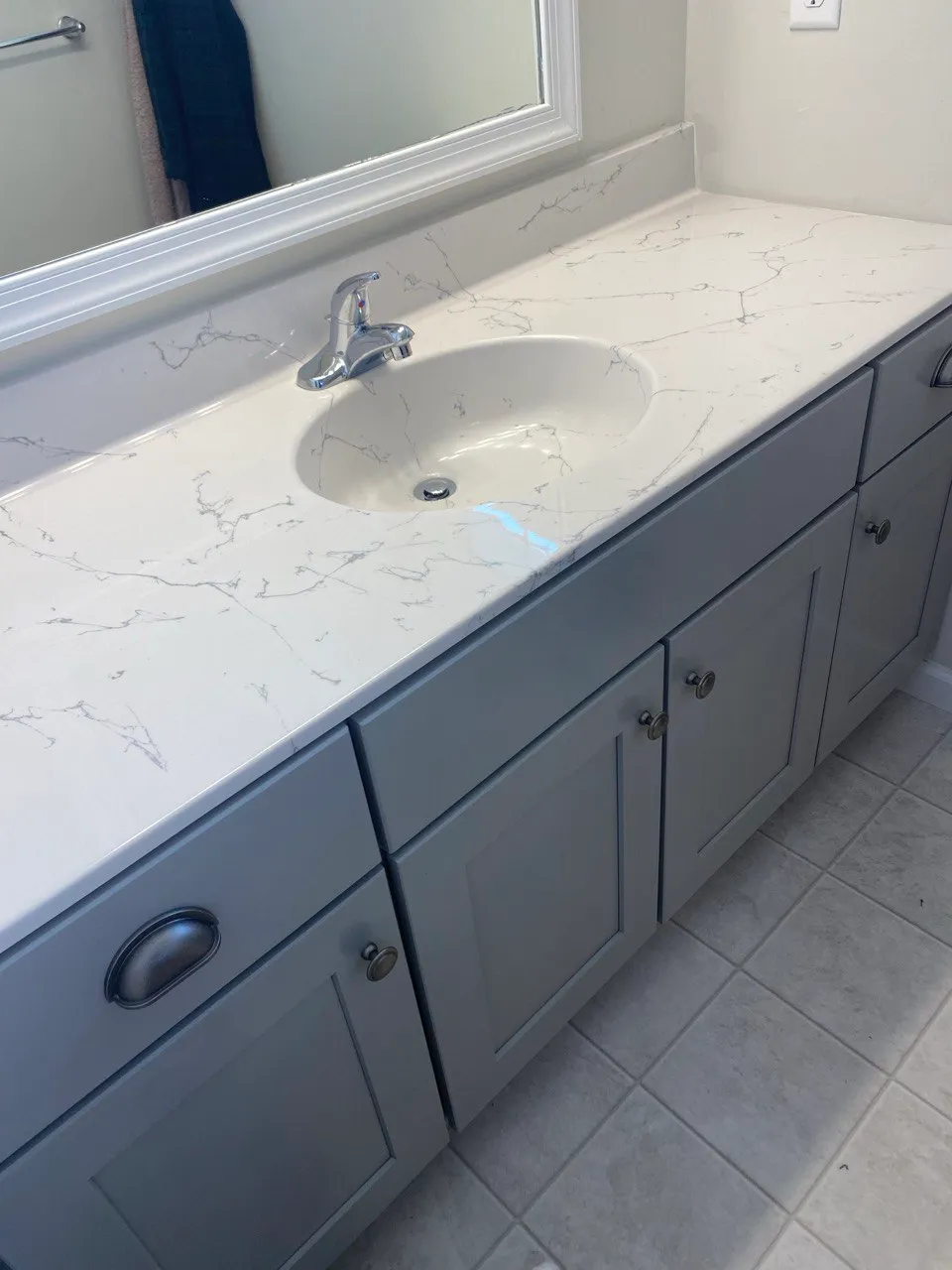 Bathroom vanity detailThe four places residue hides on a vanity, and the product that etches stone.Read the walkthrough →
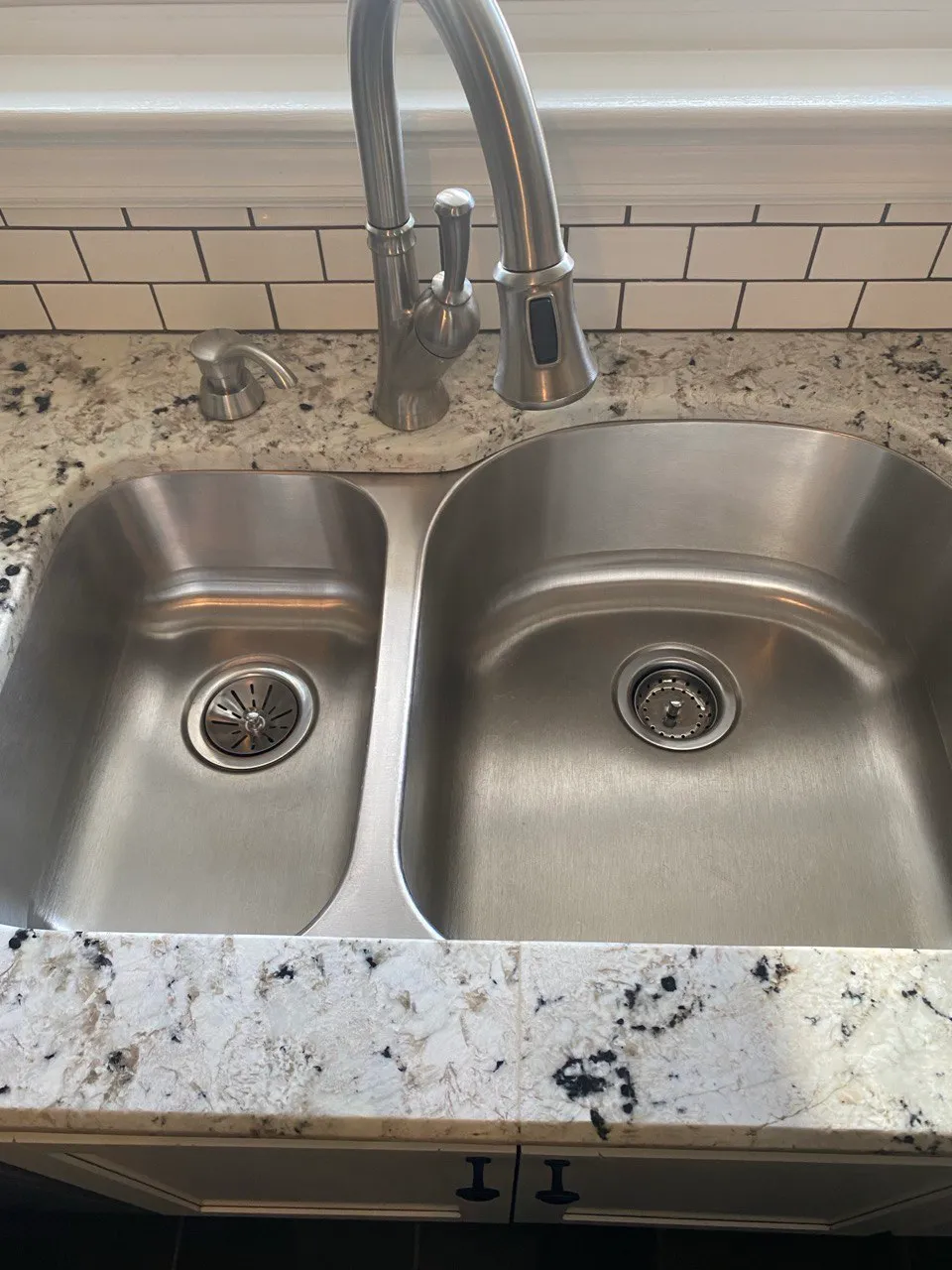 Kitchen sink and tapsStainless has a grain. Work across it once and the scratches never come out.Read the walkthrough →
Related
Want this job done at your place?
Tanya answers every enquiry personally, usually the same day. Fixed quotes, agreed before any work starts.