

Call us: 717-283-9728
Short answer: Hard water deposits are alkaline mineral scale and need an acidic treatment with dwell time — white vinegar for light deposits, a dedicated descaler for heavy ones. Never use acid on natural stone, and once glass is etched the damage is physical and cannot be cleaned off.
What the white marks actually are
Calcium and magnesium left behind when water evaporates. They are alkaline and they bond to the surface, which is why soap and scrubbing achieve nothing — you are not dealing with dirt, you are dealing with a mineral deposit that needs to be chemically dissolved. This is also why elbow grease alone tends to scratch the surface rather than clean it.
Lancaster County water is hard
Which means this is not an occasional problem here, it is a permanent condition. Shower glass, taps, kettles, dishwashers and toilets all show it. Anything you do is management rather than a cure, and the habits matter more than the products.
What works, by surface
- Shower glass — acidic gel or white vinegar, 10 minutes dwell, non-scratch pad, rinse and dry
- Chrome taps — vinegar-soaked cloth wrapped around the base, 20 minutes, soft brush at the join
- Aerators — unscrew and soak in vinegar for 20 minutes; fixes weak, spitting flow
- Toilet bowl ring — descaler, dwell time, pumice stone only on vitreous china
- Natural stone — pH-neutral cleaner only, never acid
- Stainless steel — vinegar, then rinse and dry along the grain
Never use acid on these
Natural stone — marble, travertine, limestone. Acid etches them permanently, leaving a dull patch that no polishing removes. Also avoid it on unsealed grout, which is cementitious and dissolves, and on some older chrome and brass plating. If you do not know what a surface is, treat it as natural stone and use a pH-neutral cleaner.
Dwell time is the whole trick
Almost everyone sprays and wipes immediately, which does nothing. The acid needs contact time to dissolve the mineral — five to ten minutes minimum, longer for heavy scale. On vertical surfaces like shower glass, use a gel or a soaked cloth laid against the glass so it does not simply run off.
When it is permanent
Deposits left on glass for years etch into the surface itself. At that point the glass is pitted, not dirty, and no product will restore it — the only fixes are a glass restoration polish or replacement. We tell clients this rather than charging for another hour of scrubbing that cannot work. See our deep cleaning page for what is realistic.
The habit that prevents it
A squeegee on the shower glass after the last shower of the day. Thirty seconds, and it does more than any product on this page. Drying taps and the sink after cleaning has the same effect for the same reason: no standing water means no deposit.
Frequently asked questions
Does vinegar remove hard water stains?
Yes, on light to moderate deposits, given enough dwell time. Heavy scale usually needs a dedicated descaler.
Why do my taps go white again so quickly?
Because the water is hard and the surface is being left wet. Drying after cleaning is what breaks the cycle.
Can etched shower glass be fixed?
Not by cleaning. Etching is physical damage to the glass and needs a restoration polish or replacement.
Is a water softener worth it?
For a household fighting scale constantly in this area, usually yes. It treats the cause rather than the symptom.
See the work behind the advice
Job walkthroughs with photographs from real cleans across Lancaster County.
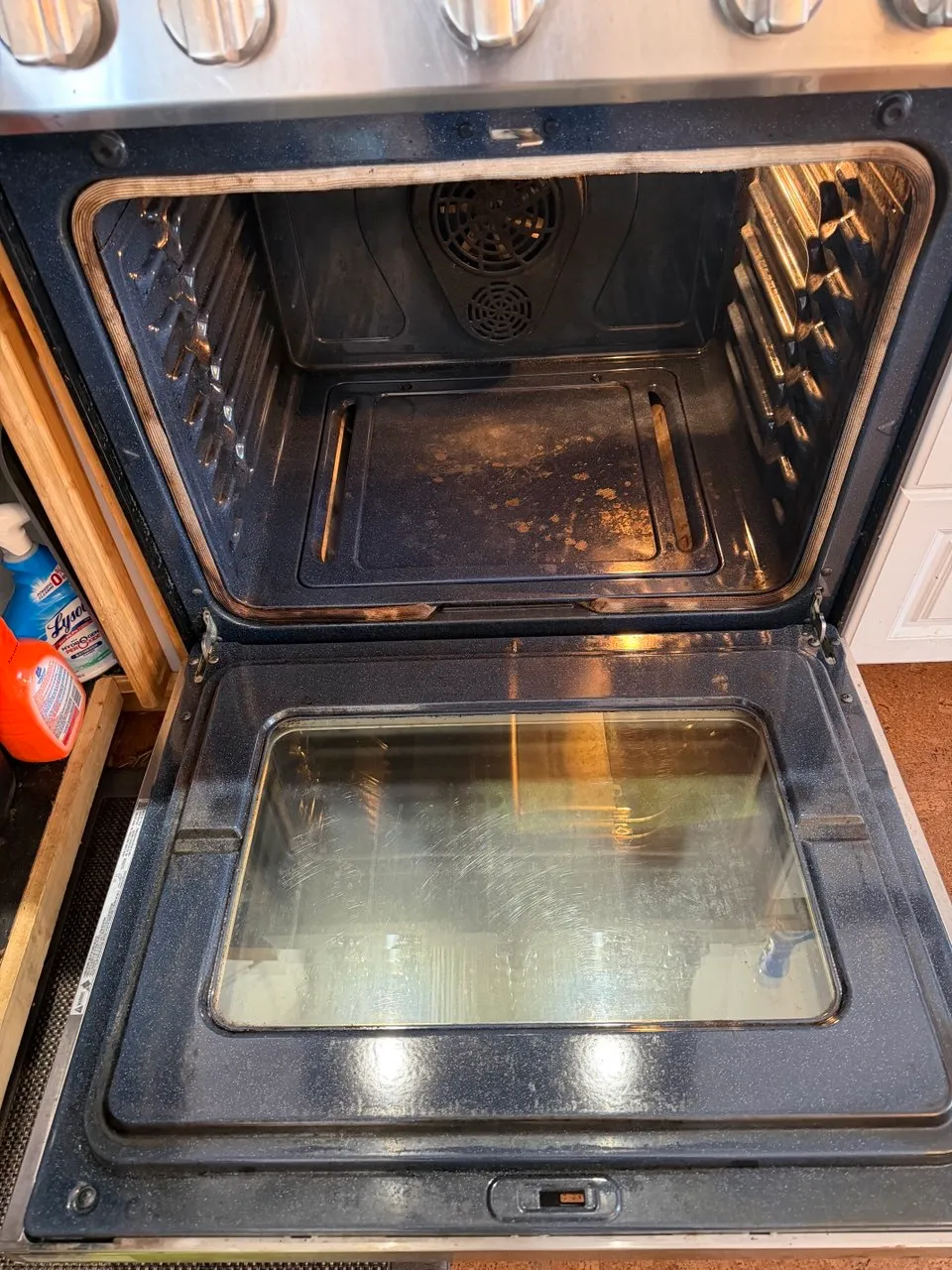 Oven deep cleaningCarbonised spillage and a brown film on the door glass — and what a proper job removes.Read the walkthrough →
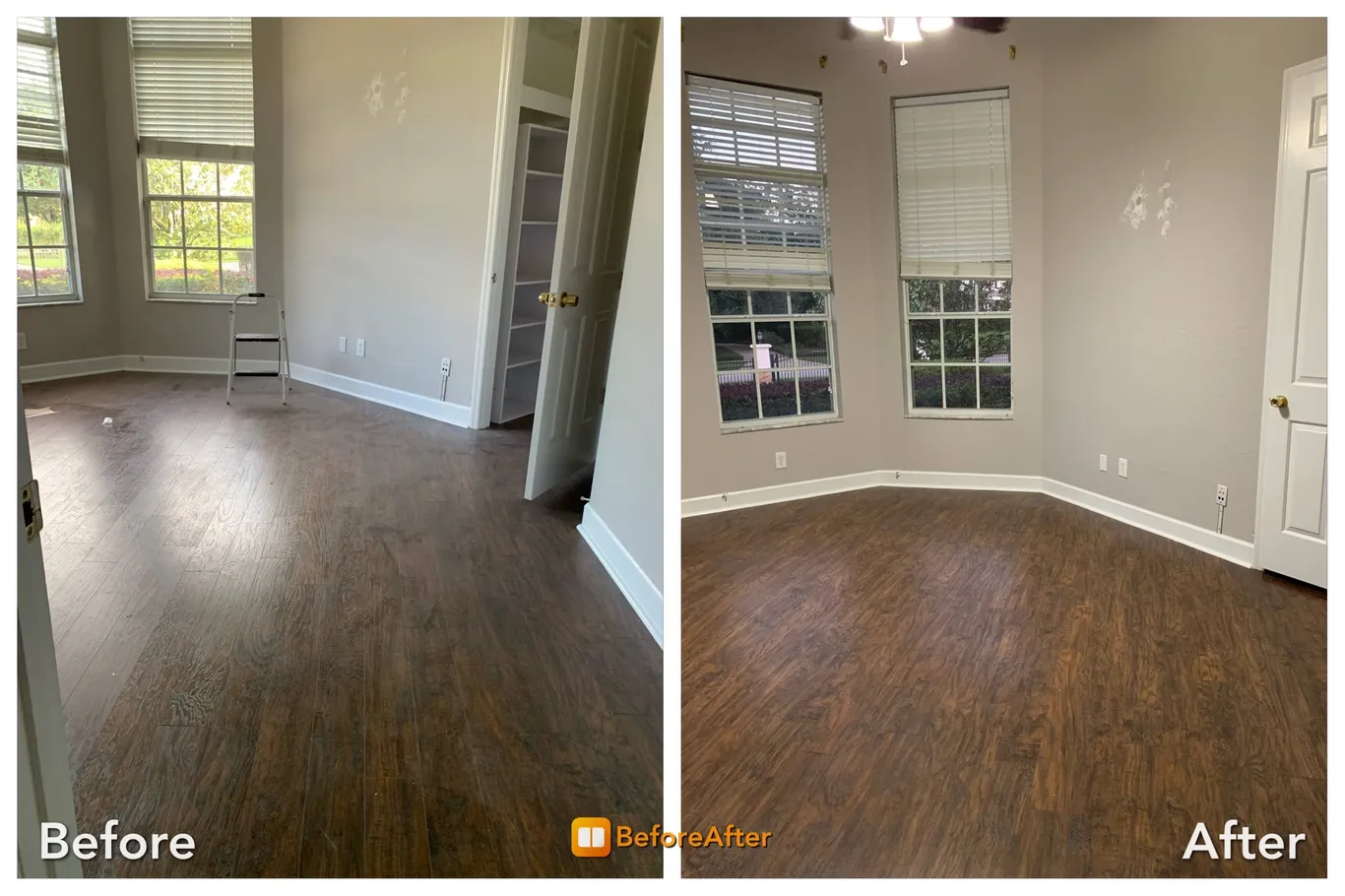 Move-out clean, empty houseWith the furniture gone nothing hides. The five items landlords actually inspect.Read the walkthrough →
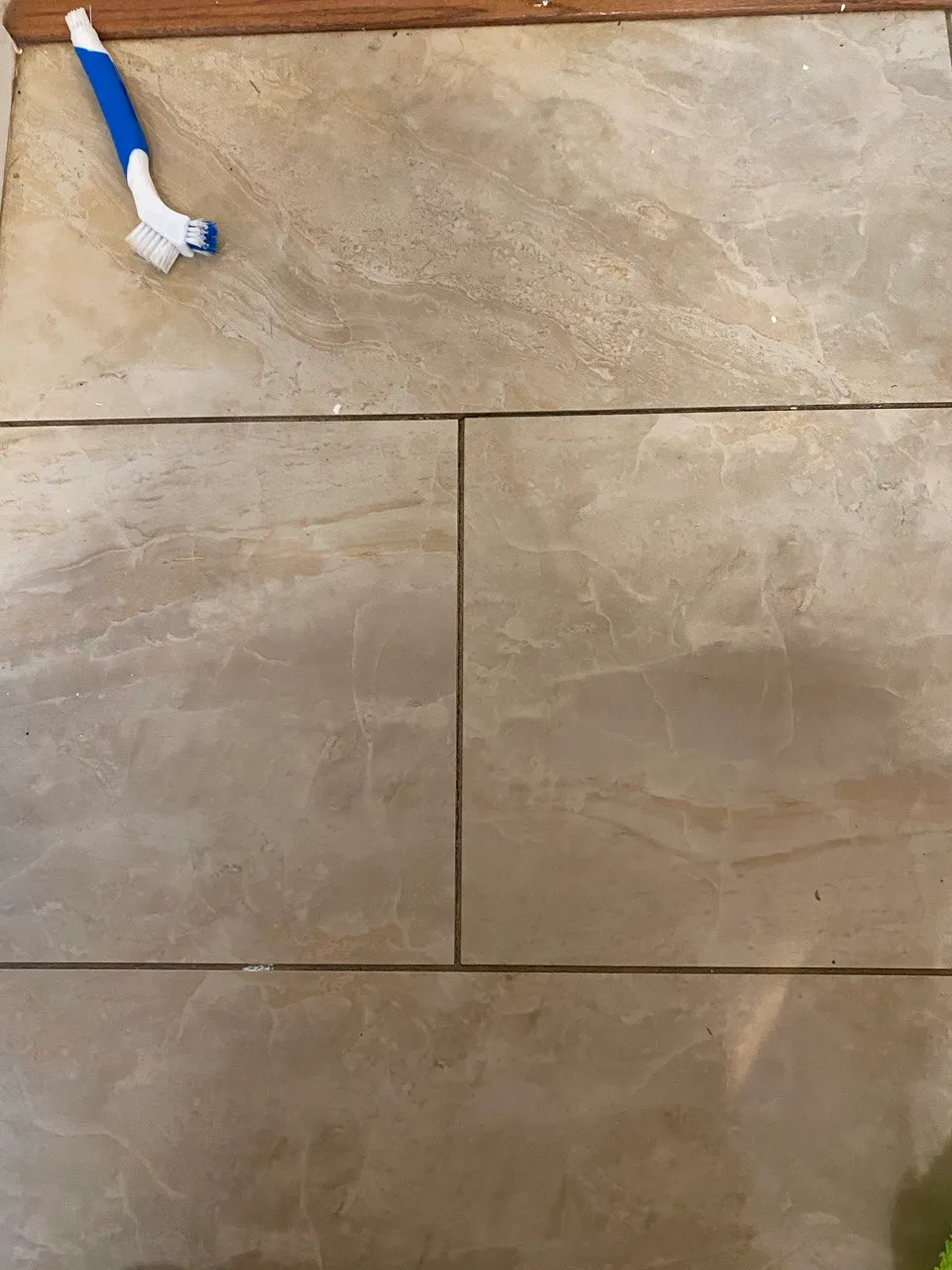 Tile and grout floorsWhy a tile floor looks grubby when the tiles are clean, and why mopping makes it worse.Read the walkthrough →
Related reading
Cleaning in Lancaster County?
Tanya answers every enquiry personally, usually the same day. Fixed quotes, agreed before any work starts.