

Call us: 717-283-9728
Short answer: Do fifteen minutes a day on the kitchen and the highest-traffic bathroom, batch floors and laundry into one weekend block, and drop the jobs that do not change how the house feels. Most household cleaning advice assumes time that working families do not have.
Why most cleaning routines fail
They are written as though cleaning is the only thing you have to do. Detailed daily schedules with fourteen tasks assume someone is home during the day. Give that to two people working full time with children and it collapses in a fortnight, and then it feels like a personal failure rather than a badly designed plan.
The fifteen minutes that carry the most weight
Kitchen surfaces and sink cleared and wiped after the last meal, and a two-minute pass over the busiest bathroom — basin, taps, mirror, toilet. That is it. Those two rooms are where mess compounds fastest and where it makes a house feel out of control. Every other room can wait a week; these cannot.
Reset, do not clean, on weeknights
Ten minutes before bed putting things where they live. Not cleaning — tidying. The single biggest difference between houses that feel manageable and houses that do not is whether surfaces are clear, and clear surfaces also mean that when you do clean, you clean instead of moving objects around.
Batch the rest into one block
Floors, bathrooms in full, dusting, bed linen. Two hours in one block on a Saturday morning is far more achievable than trying to spread it across five weeknights, and it is more efficient — you get the equipment out once. Put it in the calendar as an actual appointment or it will not happen.
Things worth stopping
Ironing anything that is not seen. Dusting rooms nobody uses. Cleaning the inside of windows monthly. Reorganising cupboards that function fine. These take real time and change nothing about how the house feels day to day. Cleaning advice is full of jobs that exist to fill a list.
Where paying for help actually makes sense
The honest calculation is this: a fortnightly clean removes the two-hour weekend block plus the mental load of it. If your weekend hours are worth more to you than the visit costs, it is straightforwardly worth doing, and most people who make the switch say the mental load was the bigger part. Biweekly service is what most of our working-family clients choose.
If you do get help, adjust the routine
Keep the daily fifteen minutes — it is what stops things compounding between visits — and drop the weekend block. Tell your cleaner what you handle yourself so the visit is spent on what you do not.
Frequently asked questions
How much cleaning should I do daily?
Fifteen minutes, focused on the kitchen and the busiest bathroom. Everything else can be weekly.
Is it better to clean a bit each day or all at once?
For working households, a small daily reset plus one weekend block. Spreading full cleaning across weeknights rarely survives contact with a real week.
What should I do first if I am overwhelmed?
The kitchen. It is where mess compounds fastest and clearing it changes how the whole house feels.
Is fortnightly cleaning enough for a family?
For most, yes, alongside a short daily reset. Families with pets or small children often prefer weekly.
See the work behind the advice
Job walkthroughs with photographs from real cleans across Lancaster County.
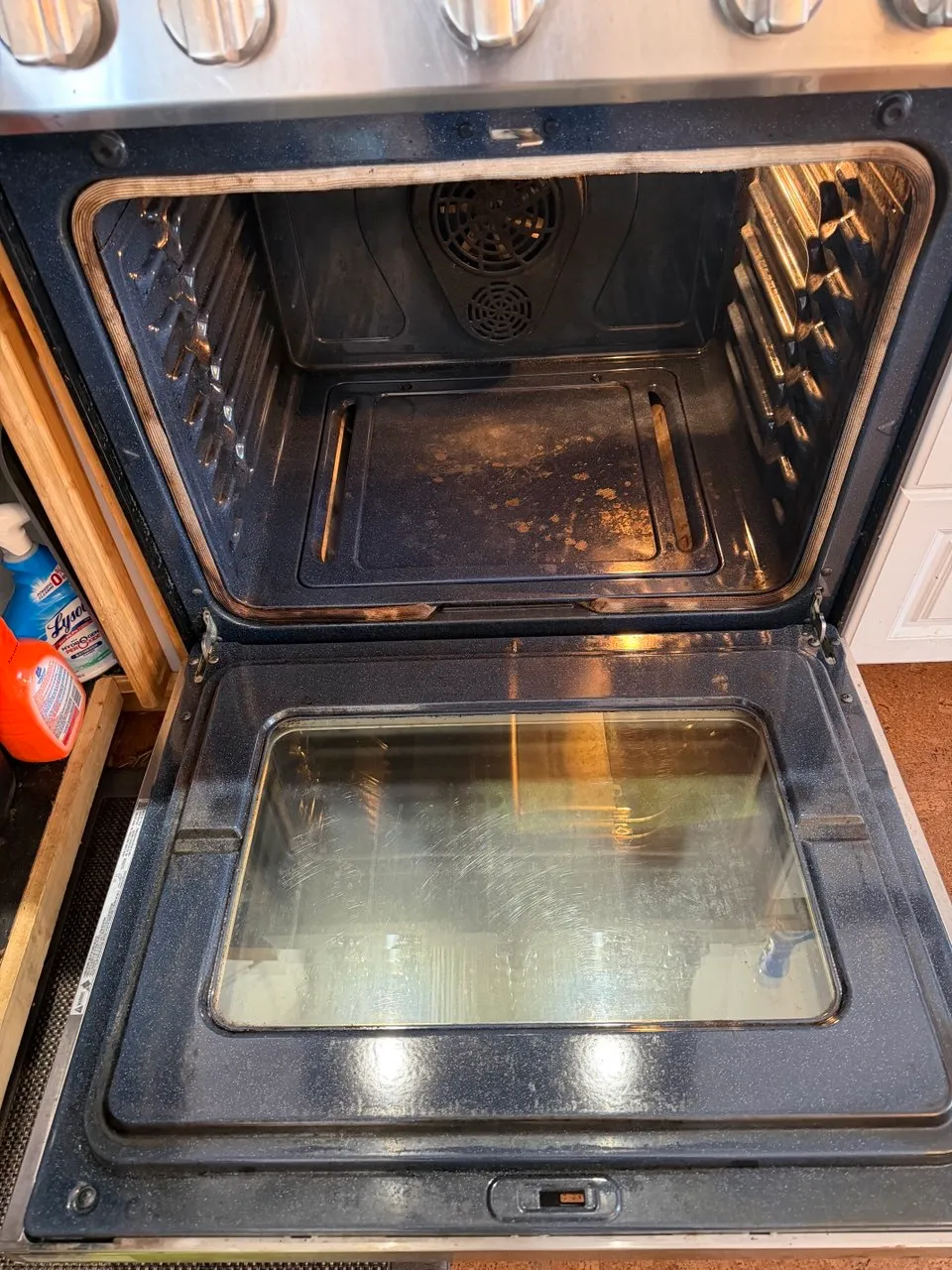 Oven deep cleaningCarbonised spillage and a brown film on the door glass — and what a proper job removes.Read the walkthrough →
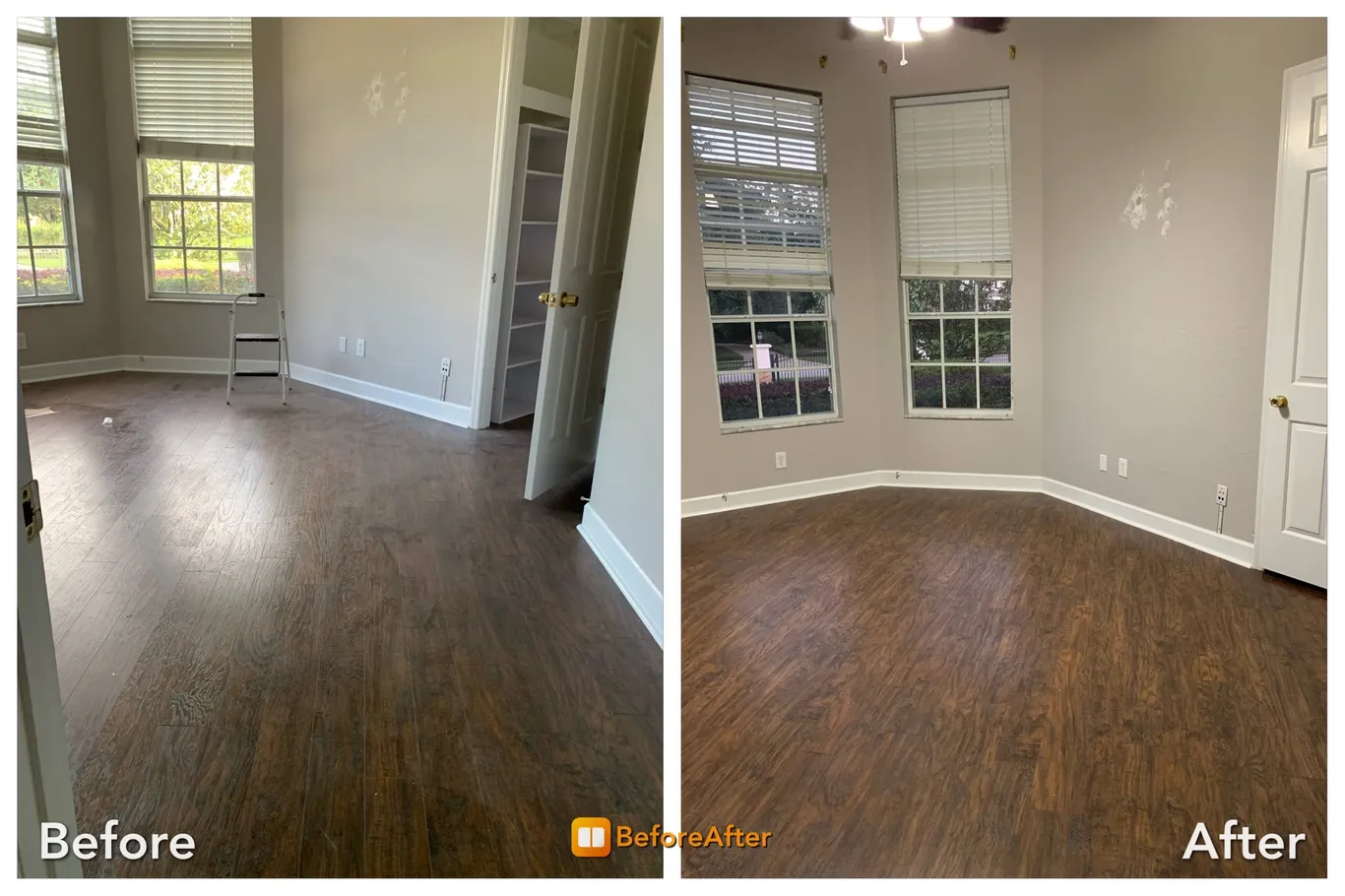 Move-out clean, empty houseWith the furniture gone nothing hides. The five items landlords actually inspect.Read the walkthrough →
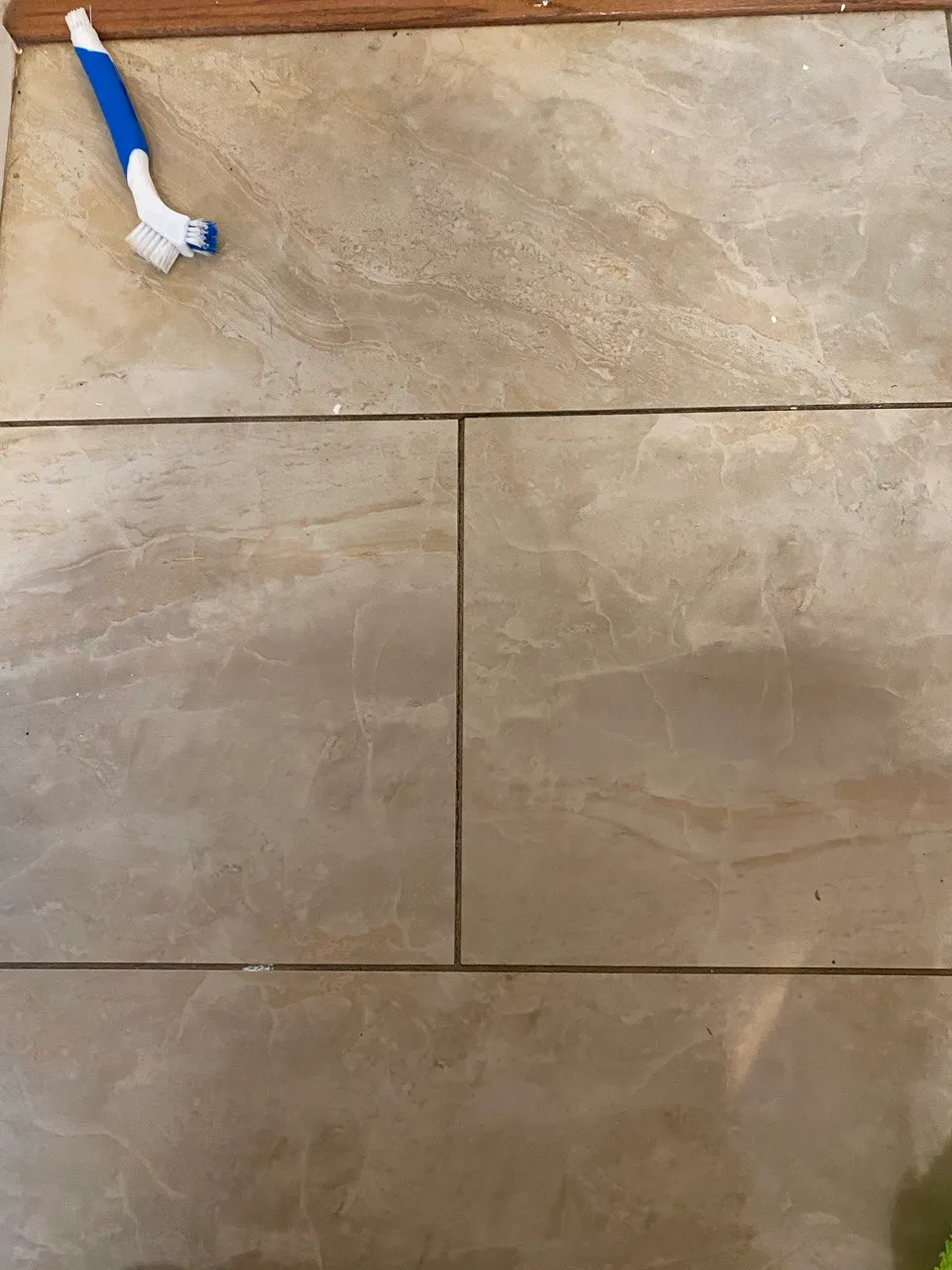 Tile and grout floorsWhy a tile floor looks grubby when the tiles are clean, and why mopping makes it worse.Read the walkthrough →
Related reading
Cleaning in Lancaster County?
Tanya answers every enquiry personally, usually the same day. Fixed quotes, agreed before any work starts.