
Call us: 717-283-9728
Short answer: Look for EPA Safer Choice or Green Seal certification rather than words like natural or non-toxic, which are unregulated. Vinegar and baking soda genuinely work for some jobs and are useless for others, and disinfecting is one job where a conventional product is often the right call.
The words that mean nothing
Natural, eco, green, non-toxic, chemical-free and plant-based are not regulated terms in the United States. Any product can carry them. Chemical-free is the most obviously meaningless of the set, since water is a chemical. None of these words tell you anything about what is in the bottle.
The certifications that do mean something
EPA Safer Choice and Green Seal both require actual ingredient review against published criteria, and both are worth looking for on a label. They are not a guarantee of performance, but they are a guarantee that someone independent has assessed what is in the product.
What vinegar and baking soda actually do
Vinegar is a weak acid: genuinely effective on limescale, hard water deposits and soap scum, and useless on grease. Baking soda is a mild alkaline abrasive: good for scouring and odour absorption, useless as a disinfectant. Mixing them together, which the internet loves, neutralises both into salty water — it fizzes impressively and cleans nothing.
Where vinegar will cause damage
Natural stone, which it etches permanently. Cementitious grout, which it slowly dissolves. Waxed or oiled wood, whose finish it strips. Rubber seals in dishwashers and washing machines, which it degrades over time. Vinegar is a useful tool and it is not a universal one.
Disinfecting is a different job from cleaning
Cleaning removes soil; disinfecting kills pathogens. Most of the time cleaning is what you actually need, and it is what makes the visible difference. When you genuinely need to disinfect — after raw meat, during illness, in a bathroom used by someone unwell — a registered disinfectant used with the correct contact time is the right choice. Vinegar is not a disinfectant, whatever a blog told you.
The things that matter more than the bottle
Microfibre cloths, which remove a large proportion of surface bacteria mechanically with water alone. Concentrates rather than pre-diluted sprays, which are mostly water in a plastic bottle you throw away. Washable cloths instead of disposable wipes. Correct dilution — more product does not clean better, it leaves residue that attracts dirt. And ventilation, which matters regardless of what you are using.
How we handle it
We use products appropriate to the surface and to the household. If anyone in your home has allergies or sensitivities, if you have pets, or if you would simply prefer we use your own products, tell us when booking and we will. That is a normal request and there is no charge for it.
Frequently asked questions
Are natural cleaning products as effective?
For general cleaning, usually yes. For disinfecting and heavy grease, a conventional product is often the right choice.
Can I mix vinegar and baking soda?
You can, but it neutralises both into salty water. Use them separately for different jobs.
Is vinegar safe on all surfaces?
No. It damages natural stone, cementitious grout, waxed or oiled wood, and rubber seals over time.
Do you use eco-friendly products?
We select products for the surface and the household, and we will use yours or work to your preferences on request — just say so when you book.
See the work behind the advice
Job walkthroughs with photographs from real cleans across Lancaster County.
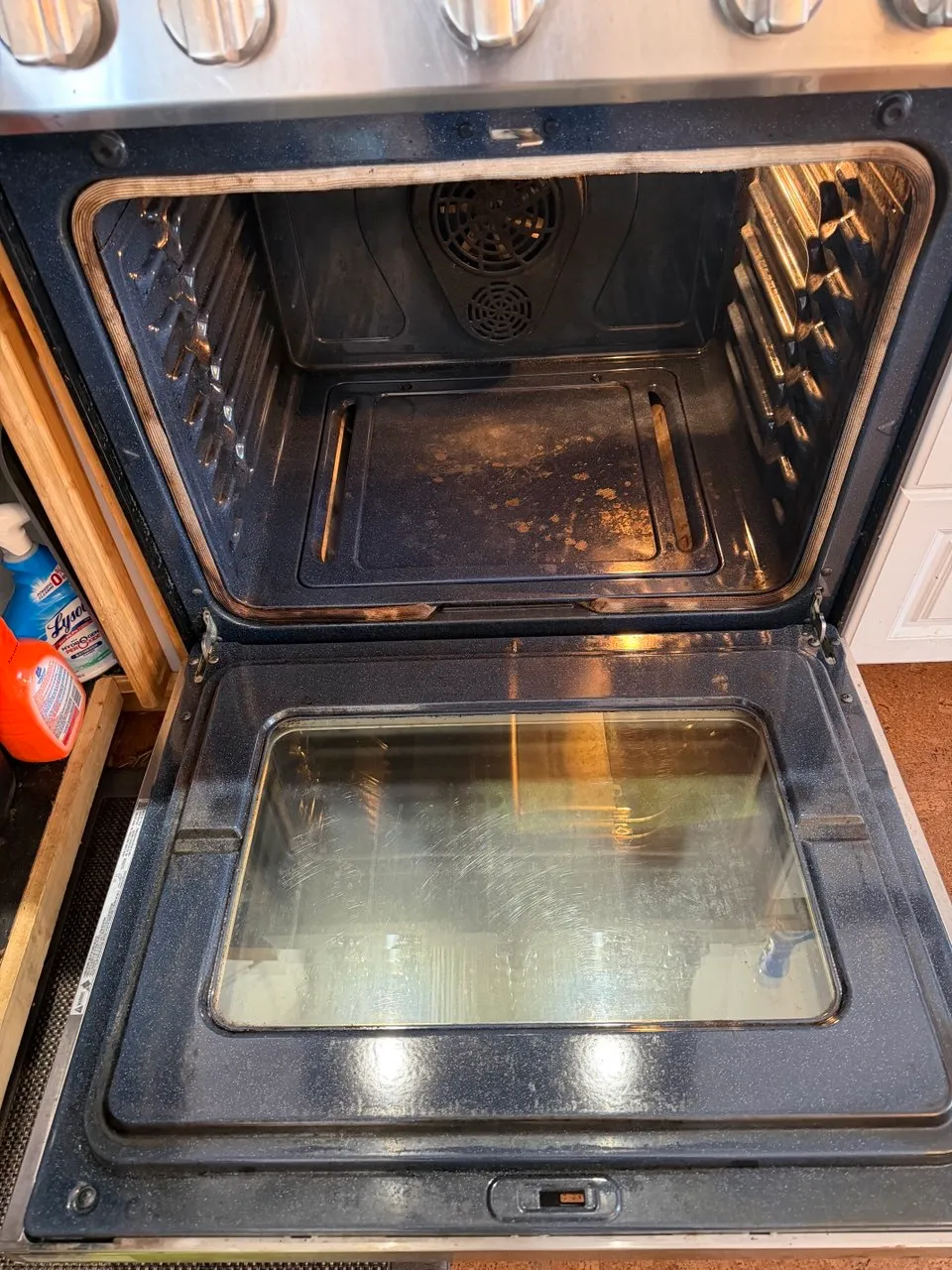 Oven deep cleaningCarbonised spillage and a brown film on the door glass — and what a proper job removes.Read the walkthrough →
 Move-out clean, empty houseWith the furniture gone nothing hides. The five items landlords actually inspect.Read the walkthrough →
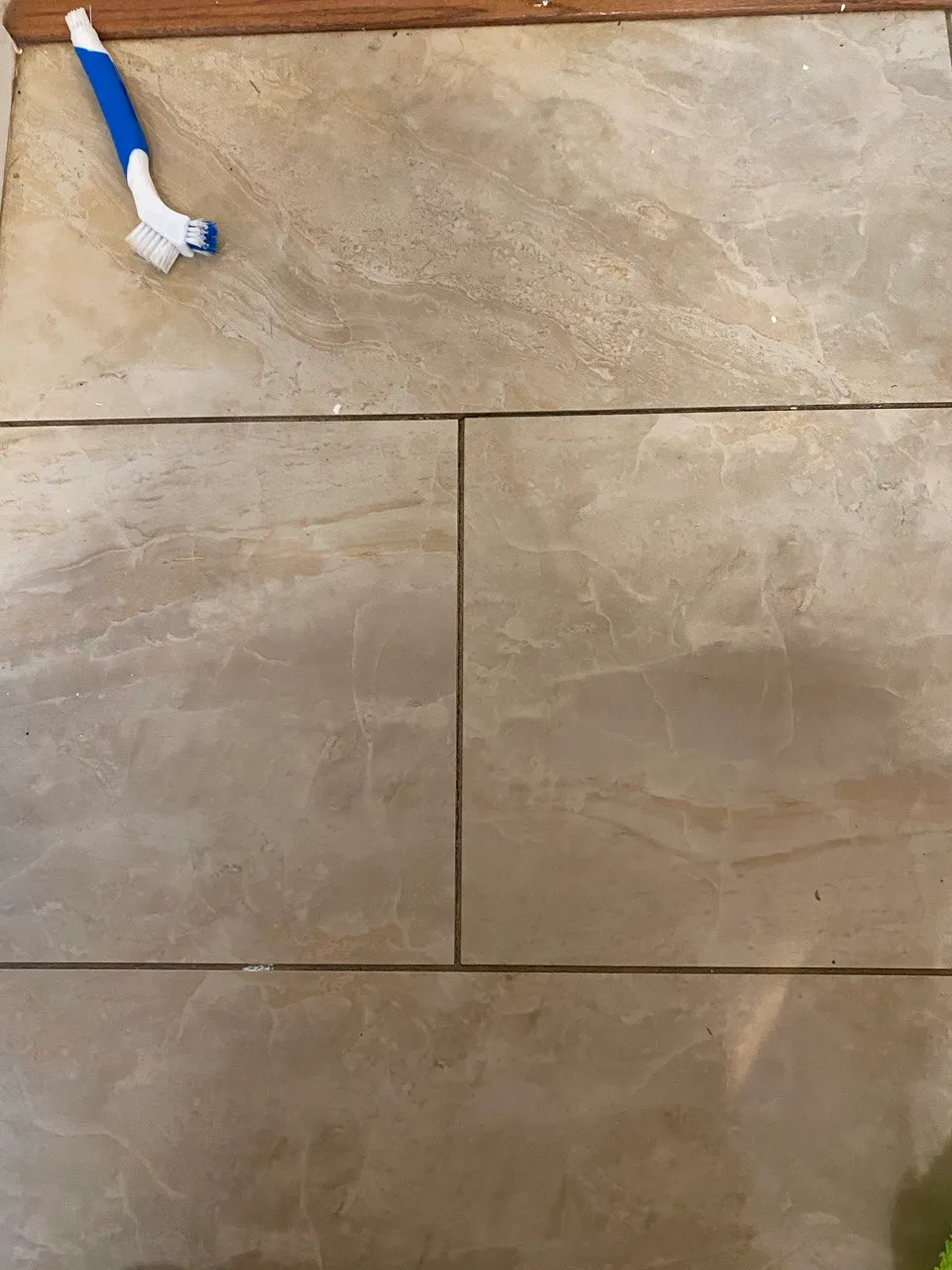 Tile and grout floorsWhy a tile floor looks grubby when the tiles are clean, and why mopping makes it worse.Read the walkthrough →
Related reading
Cleaning in Lancaster County?
Tanya answers every enquiry personally, usually the same day. Fixed quotes, agreed before any work starts.